Ageing
Aged beef: a complete guide to understanding it and choosing well
What happens during ageing, the roles of fat and bone, how to interpret ageing time and how to avoid paying for marketing alone.
This is an editorial guide. Any external links are identified and include measurement UTMs.
Respuesta rápida
Quick answer
Aged beef is beef kept under controlled conditions of time, temperature, humidity and airflow to improve texture, concentrate flavour and develop aromatic complexity.
Not all beef improves with a longer ageing time. The cut, fat, bone, animal's age, ageing room and the professional judgement of the person overseeing the process all matter.
In this guide
Five key points before you continue
Not every cut is suitable
Large cuts with fat and external protection tolerate the process better.
Fat matters
It helps protect the cut and contributes to the final flavour.
More days do not always mean better beef
Intensity may increase, but so can yield loss and imbalance.
Yield loss helps explain the price
Drying and trimming the outer crust reduce the saleable yield.
Traceability builds confidence
Origin, cut, weight, process and storage should all be clear.
What aged beef is
Ageing beef does not mean leaving it to get older without supervision. It is a professional process in which a cut develops under defined conditions of refrigeration, humidity, hygiene and ventilation.
The aim is to change texture and aroma, concentrate flavour and create a more complex eating experience. Ageing makes sense when the cut and its intended culinary use justify it.
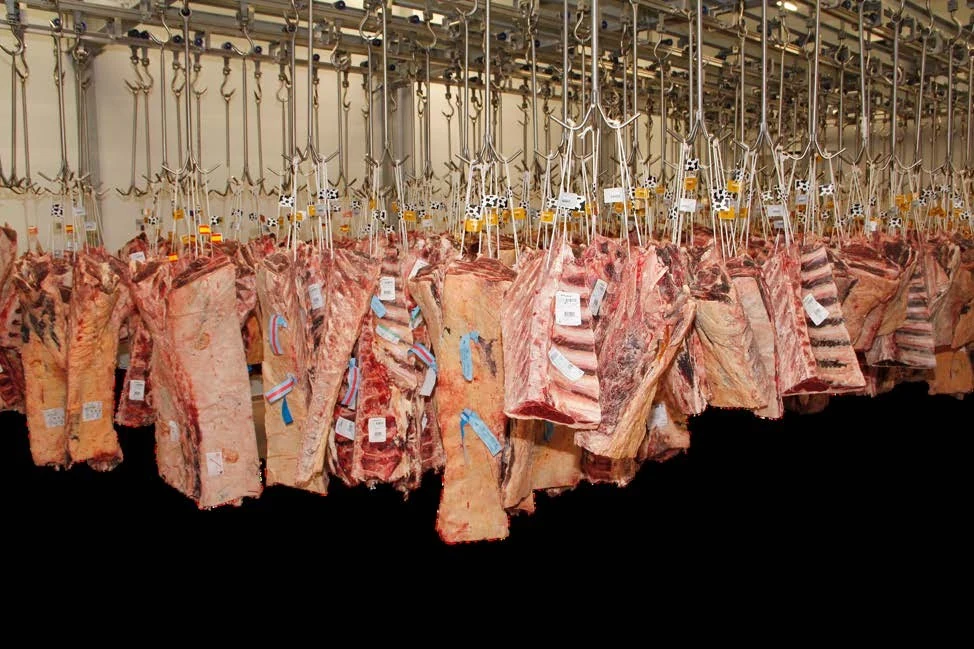
What happens after slaughter: rigor mortis, initial chilling and traceability
Before discussing dry-aged beef, it helps to understand the earlier stages. Rigor mortis initially stiffens the muscle; initial chilling and storage help stabilise the cut.
Traceability links that cut to its origin, batch, date, butchery and handling conditions. For premium beef, this information is part of buying with confidence.
- Clear identification of the cut.
- Temperature control from the point of origin.
- Consistent information about cut, weight and format.
- Storage instructions from the supplier.
What dry ageing means
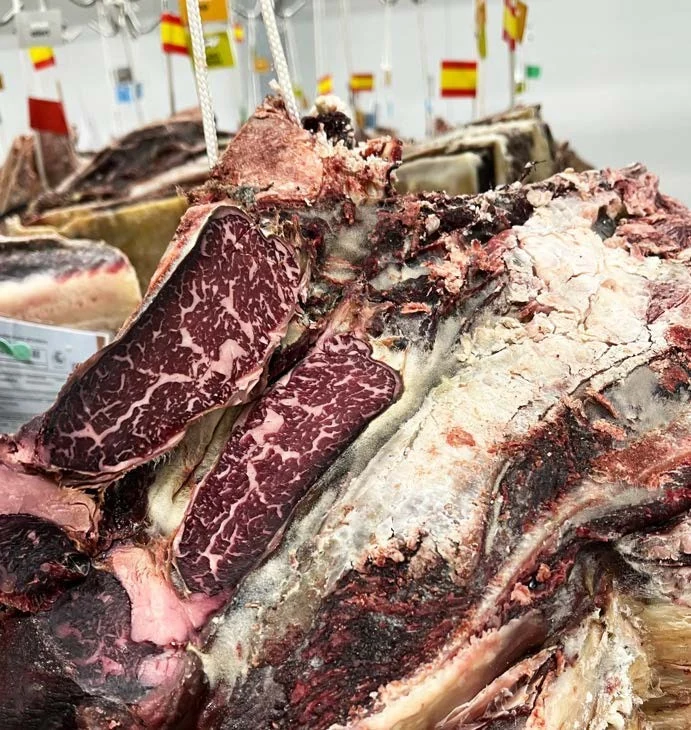
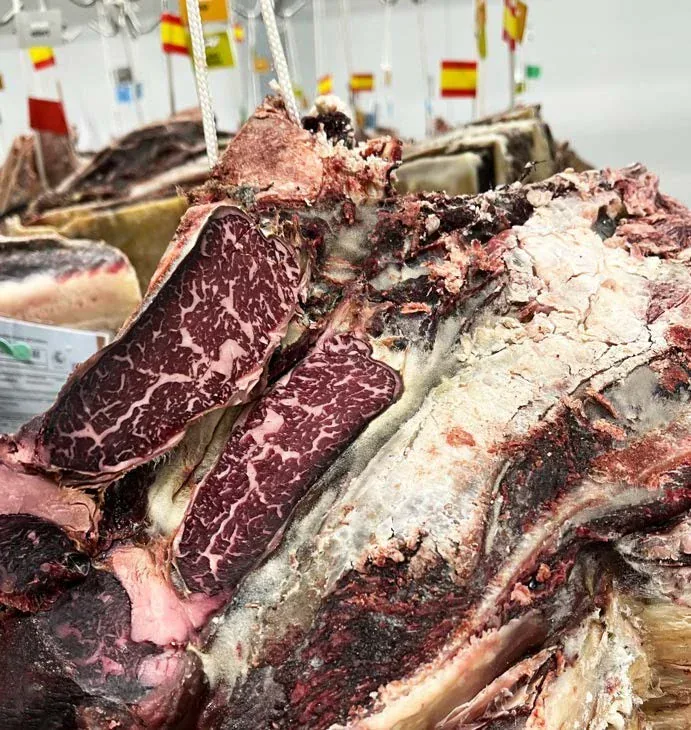
Dry-aged means that the cut is kept in a room with controlled temperature, humidity and airflow. The surface dries and develops an outer crust, which is trimmed away afterwards.
This process commonly concentrates aromas and creates a more distinctive profile, which may include dairy, nutty, buttery, gently cured or intensely beefy notes, depending on the cut and the professional overseeing the ageing.
Dry-aged vs wet-aged
Both processes can be valid, but they do not seek exactly the same eating experience.
| Criterion | Dry-aged beef | Wet-aged beef |
|---|---|---|
| Process | Cut exposed in a controlled ageing room. | Cut protected in vacuum packaging. |
| Profile | Greater aromatic concentration and a more pronounced character. | More stable development with less oxidation. |
| Yield loss | Higher because of drying and removal of the outer crust. | Lower, with a higher final yield. |
| Common use | Bone-in rib steak, rib section, sirloin section and cuts with good fat. | Cuts where stability and protected storage are priorities. |
The roles of temperature, humidity and airflow
Professional ageing depends on a careful balance. Temperature limits risks, humidity affects drying and airflow prevents stagnant areas.
This is not a process to improvise at home. Without proper control, the beef may lose quality or create unnecessary risks.
How much ageing time makes sense
The number of days is a reference, not a guarantee. This scale helps explain likely intensity and set expectations.
- 7 days
Early change
Moderate development. The culinary transformation is still limited.
- 21 days
Concentration
Texture begins to improve and flavour becomes more concentrated.
- 30 days
A familiar balance
A recognisable profile, reasonable intensity and broad appeal for many palates.
- 45 days
More character
More pronounced aromas, greater yield loss and a less neutral experience.
- 120 days
An extreme profile
Very intense and highly specific. It does not automatically mean better beef.
Which cuts are better suited to ageing
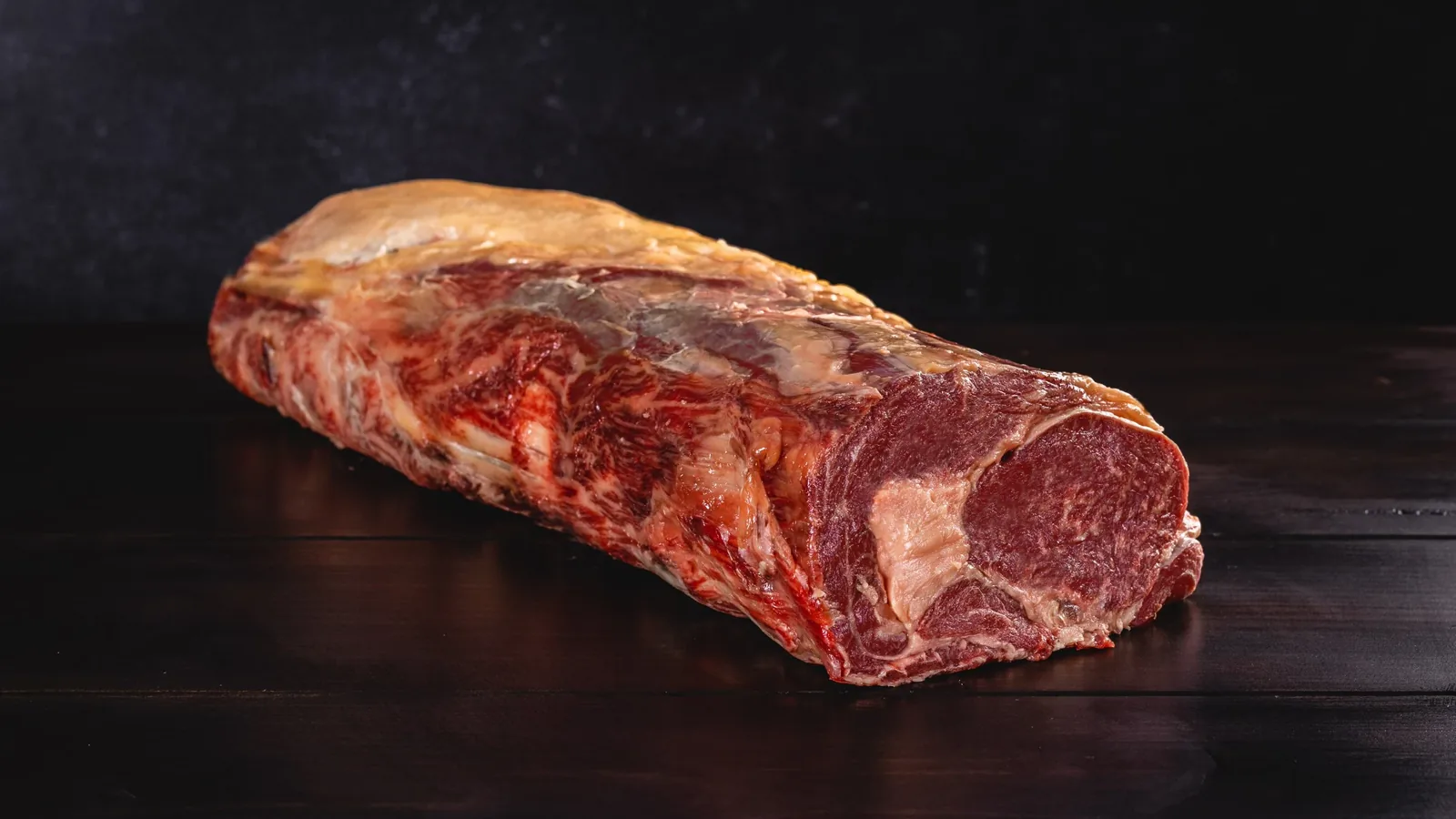
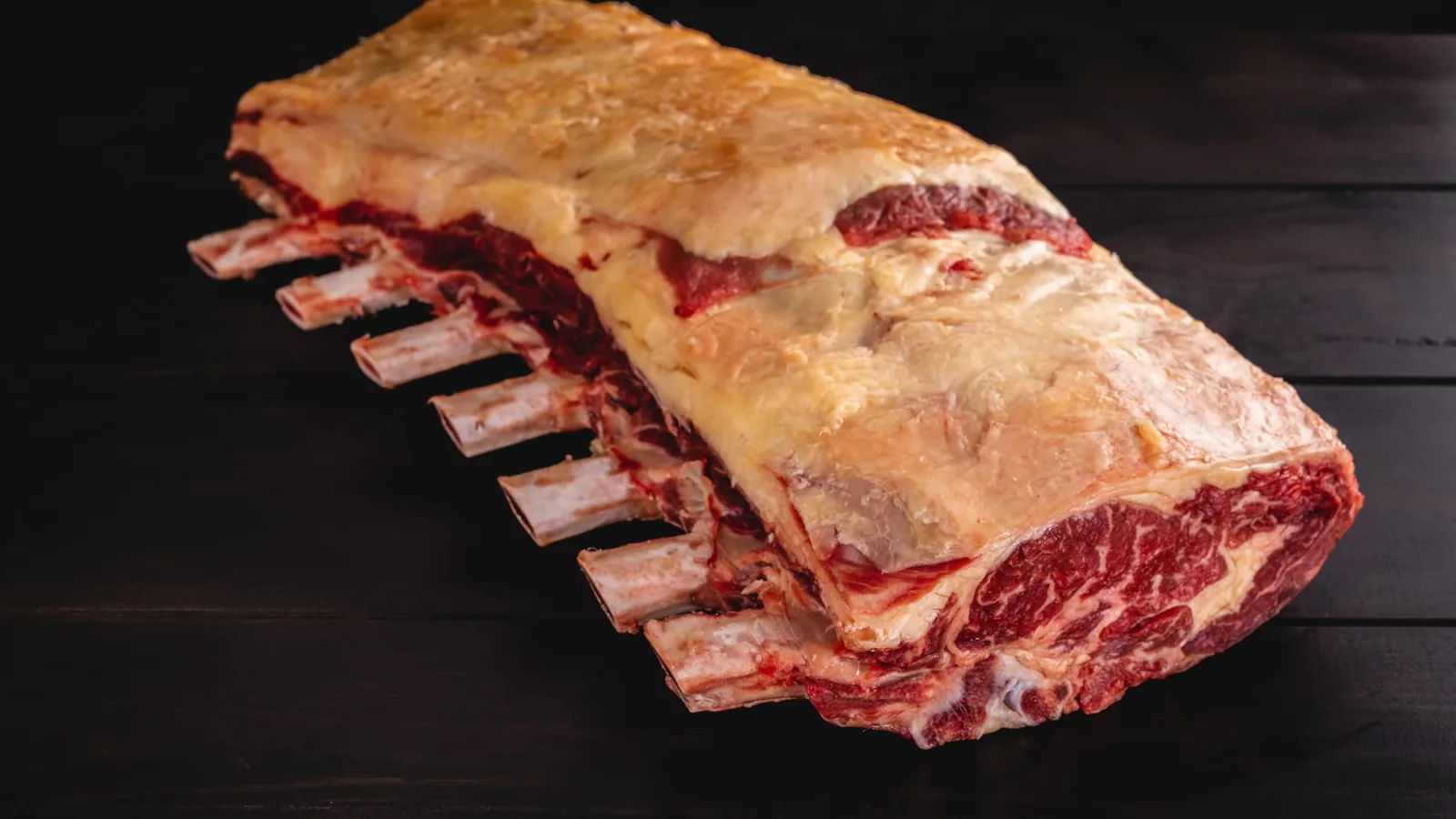
The rib and sirloin sections, bone-in rib steaks and entrecôtes often work well because they have volume, fat and structure. With thin or very lean cuts, ageing may add less while reducing yield more severely.
Why aged beef costs more
The price does not come from the name alone. It reflects the quality of the original cut, time and space in the ageing room, energy use, weight and yield loss, external trimming and final selection before sale.
How to distinguish genuine quality from marketing
Be wary of product pages that emphasise only the number of ageing days. Look for information about the cut, weight, origin or selection, delivery format, storage and recommended culinary use.
- The number of days should not be the only selling point.
- A well-presented cut should include clear information about butchery, format and storage.
- The intensity should suit the people who will eat it.
Buying checklist
Review the product page carefully before buying aged beef.
- Cut and approximate weight.
- Ageing time or range.
- Format: whole cut, chop, entrecôte or pack.
- Packaging and recommended storage.
- Expected delivery date and cold chain.
- Final price and price per kilogram.
- Terms for problems or returns.
How to cook aged beef at home
Keep the cooking simple. Dry the surface thoroughly, use high heat for searing, avoid moving the cut continuously and allow it to rest before slicing. With intensely flavoured beef, fewer accompaniments are often better.
Frequently asked questions
Does aged beef always taste strong?
No. It depends on the cut, ageing time, fat and process. Some ageing profiles are balanced, while others are much more intense.
Which cut should I choose first?
A bone-in rib steak or entrecôte with moderate ageing can be a sensible first purchase.
Is dry-aged better than wet-aged?
Not necessarily. They are different processes, and the choice depends on the intended result.
Can I age beef at home?
It is not recommended without professional equipment and control. Food safety depends on very specific conditions.
Sources and notes
This guide is based on editorial criteria for buying, storing and cooking beef. For hygiene, storage and consumption conditions, always follow the supplier's information and applicable official guidance.
Explore real examples of cuts and ageing profiles
Once you understand cut, intensity and storage, you can review external examples of aged beef and available formats.
Carnes Deluxe does not process orders or manage availability, prices, delivery or problems with external websites.