
Editorial guide
How to cook premium beef: temperature, resting, salt and slicing
A good cut needs a technique suited to its type and thickness. Drying, heat, temperature control, resting and slicing against the grain matter just as much as buying.
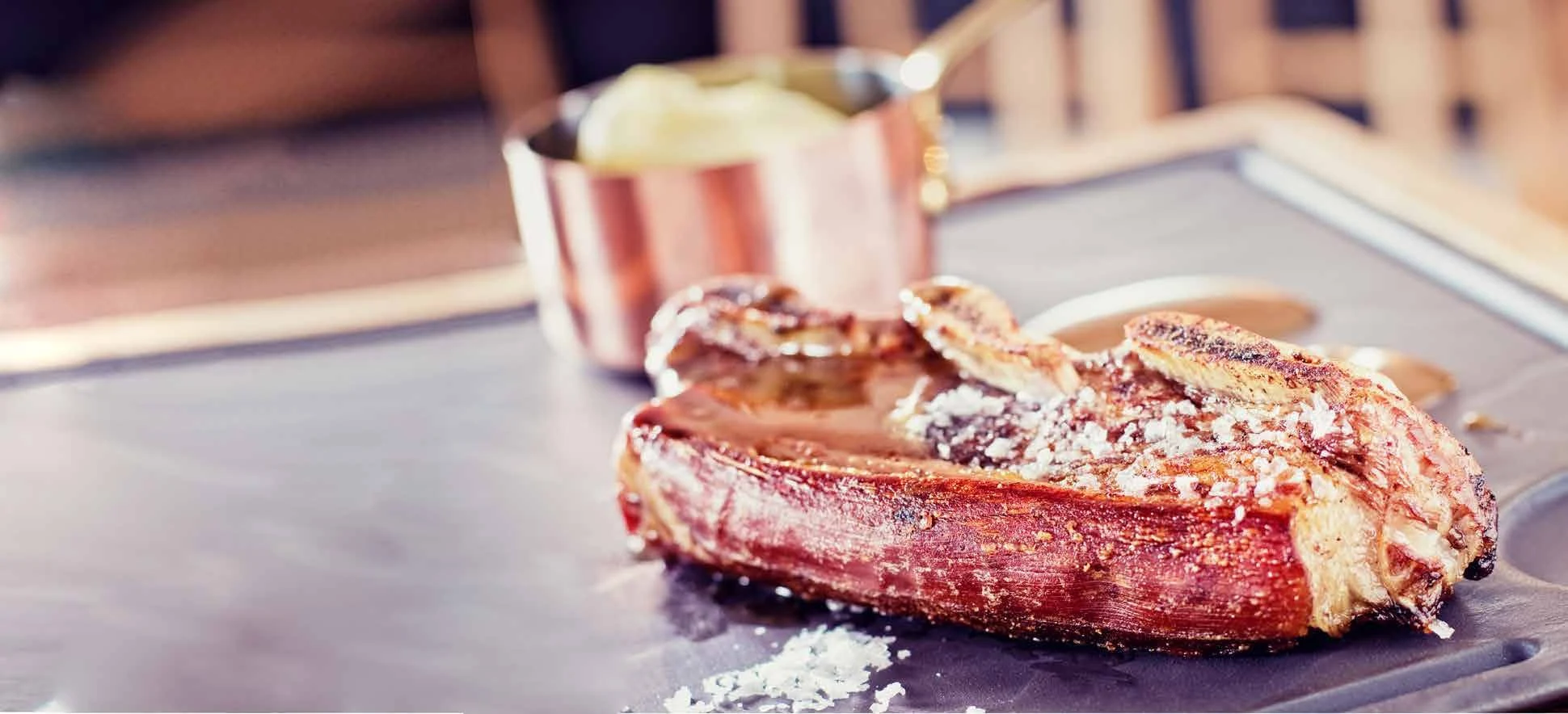
A simple sequence to avoid spoiling the cut
Before lighting the heat, consider the cut, its thickness and the result you want. Technique should adapt to the beef, not the other way round.
1. Prepare
Organise the work area, use separate utensils for raw and cooked food, dry the surface and decide how you will check doneness.
2. Cook
Adjust the heat to the thickness, avoid moving the cut unnecessarily and use a clean thermometer when sight alone is not enough.
3. Rest and slice
Allow the cut to settle, identify the direction of the grain and slice only what you are ready to serve.
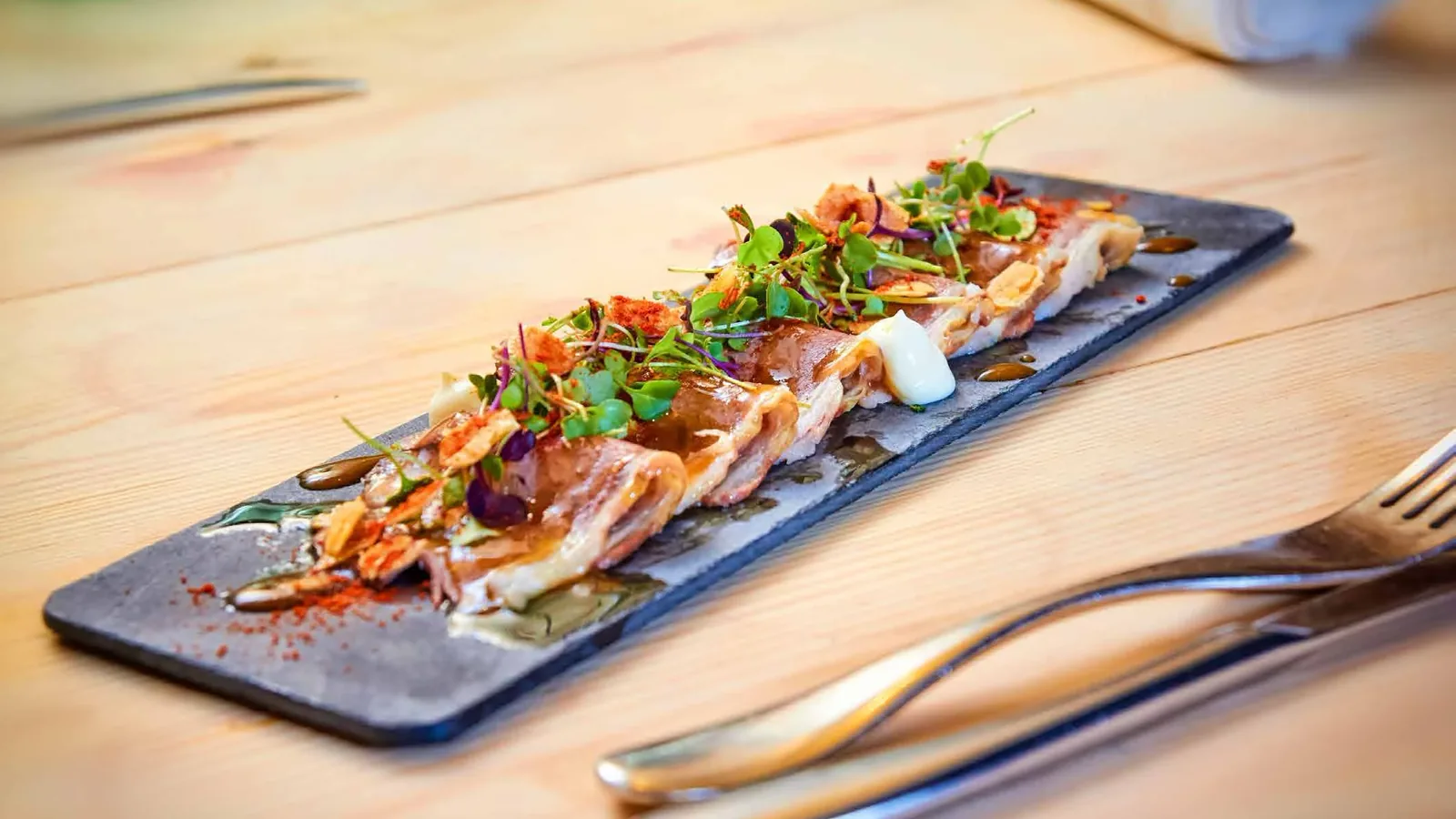
What changes with the cut
| Situation | What to prioritise | What to avoid |
|---|---|---|
| Thin or manageable cut | Dry surface, controlled heat and continuous attention. | Extending cooking through distraction. |
| Thick or bone-in cut | Combine good browning with gradual, verifiable cooking at the centre. | Judging the centre only by the exterior colour. |
| Cut with pronounced grain or collagen | Choose a slow technique that allows time to transform the texture. | Treating it like a tender cut for quick griddling. |
| Minced or prepared beef | Follow the applicable safety guidance and check the centre. | Applying the same criteria as for a whole cut. |
Salt, resting and the direction of slicing
Salt should be a conscious choice, not a rigid rule. Timing depends on the cut, technique and available time; what matters when seeking browning is avoiding a wet surface.
Resting is particularly useful for thick cuts. Place the beef on a clean surface and avoid covering it in a way that completely softens the crust you have just created.
Before slicing, look at the lines in the muscle. Slicing against the grain often improves the texture, especially with skirt steak, vacío, picanha and other cuts with a visible grain.
Cooking and safety checklist
Prepare the work area first and prevent utensils or surfaces that have touched raw beef from contaminating food that is ready to eat.
- Pat the surface dry with kitchen paper and discard the paper immediately.
- Preheat the pan or grill and adjust the heat to the cut's thickness.
- Use a clean thermometer when you need precision, especially for thick cuts.
- For burgers, minced beef and prepared products, reach at least 70 °C for two minutes at the centre.
- Allow the cut to rest before slicing to reduce juice loss.
- Slice against the grain and serve with clean utensils.