
Cuts
Guide to beef cuts: from bone-in rib steak to picanha
An editorial atlas of the forequarter, loin, hindquarter and flank, helping you choose for grilling, griddling, braising, ageing or buying online.
This is an editorial guide. Any external links are identified and include measurement UTMs.
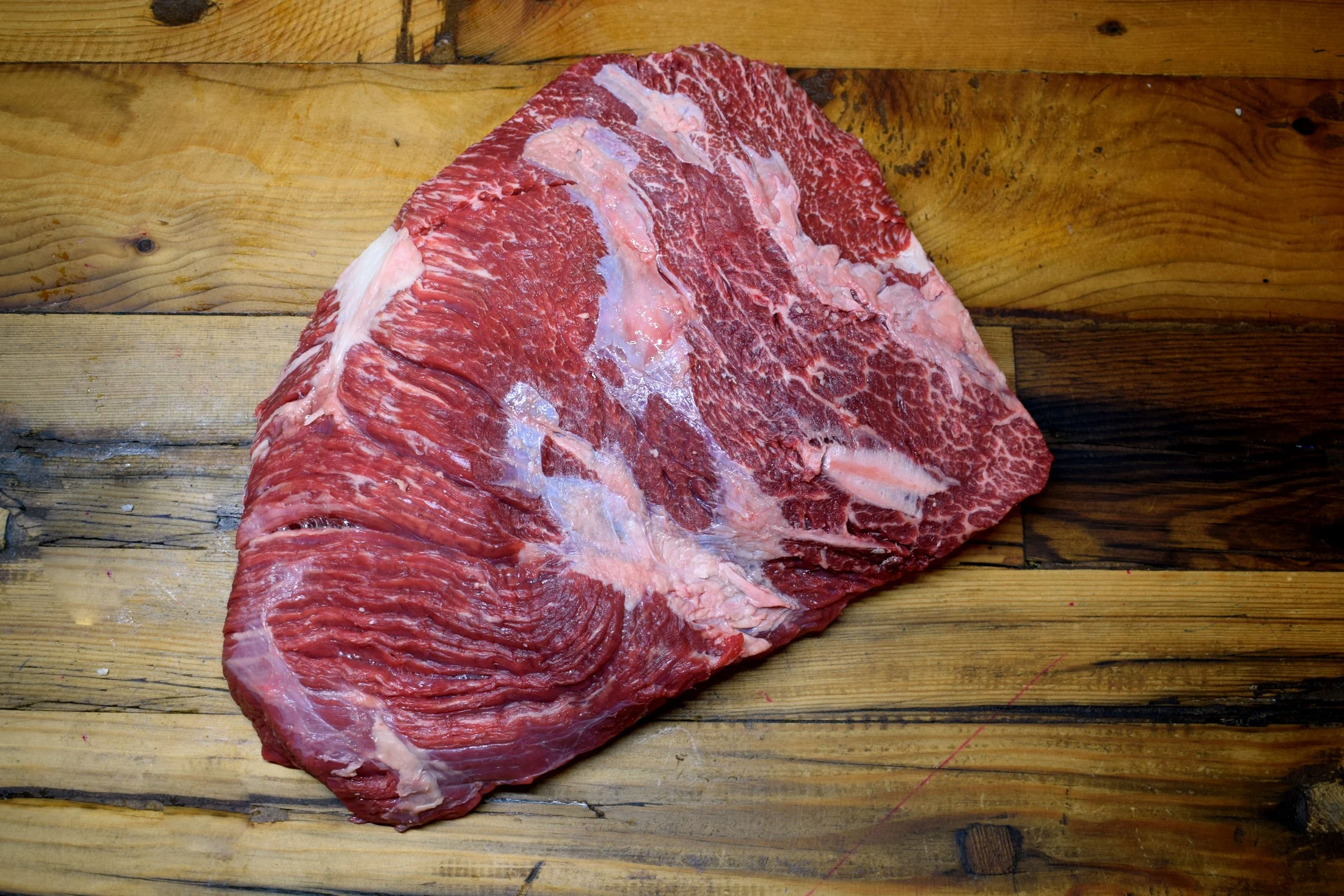
Respuesta rápida
Quick answer
Beef cuts vary greatly by anatomical area. The loin provides prime cuts for grilling and ageing, while the forequarter, hindquarter and flank yield cuts with more grain, collagen, fat or character for other techniques.
Choosing well starts with the occasion: charcoal, griddle, braise, low and slow, a centrepiece for sharing or an easy cut for a first purchase.
In this guide
Practical criteria
Grill
Look for fat, thickness and cuts that tolerate high heat.
Griddle
Prioritise manageable cuts and precise control of doneness.
Braise
Collagen and grain are assets when given enough time.
Ageing
The rib and sirloin sections and cuts with external protection often respond best.
How beef cuts are organised
A beef carcass can be understood in broad areas: forequarter, loin, hindquarter and flank. Each combines movement, fat, bone, grain and tenderness differently.
Names vary by butcher, cutting system and country. Always ask about recommended use, thickness, weight and preparation.
Guía visual de despiece
Where each family of cuts is located
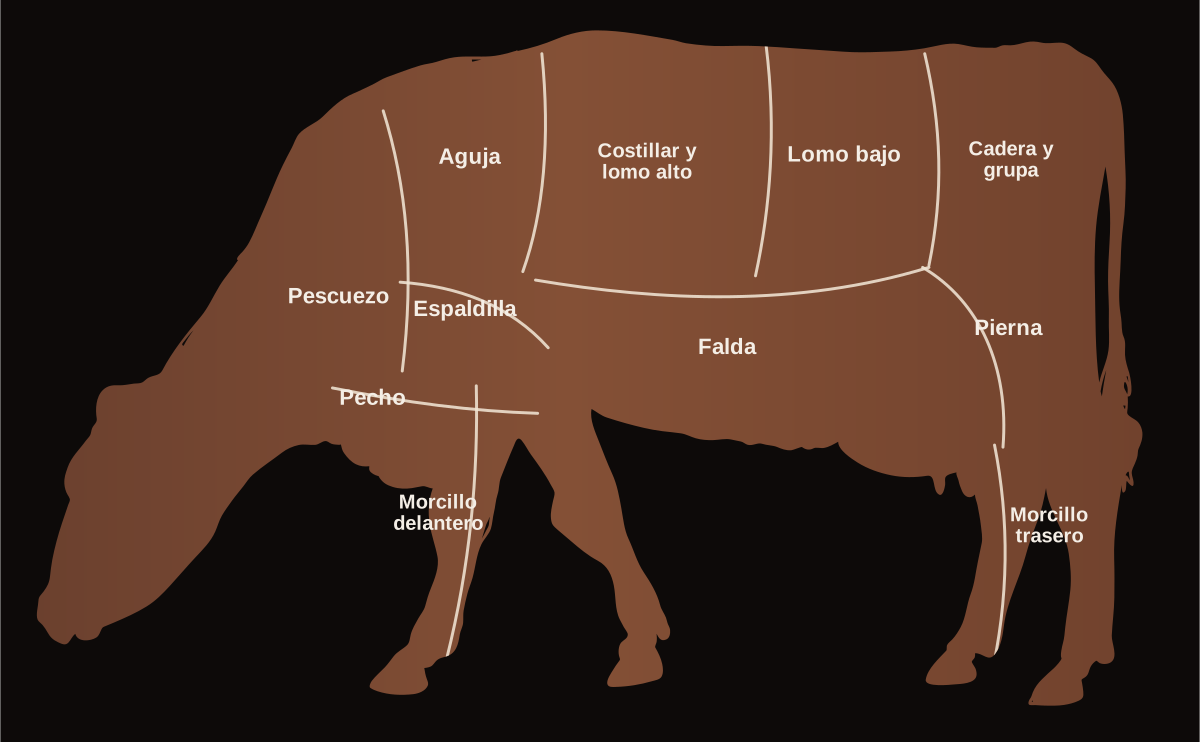
Forequarter
- Neck
- Chuck
- Shoulder
- Fore shin
Loin and rib
- Rib and fore rib
- Sirloin section
Brisket and flank
- Brisket
- Flank
Hindquarter and rump
- Rump
- Hindquarter
- Hind shin
Forequarter cuts
The forequarter contains hard-working muscles, deep flavour and collagen. It is especially useful for low-and-slow cooking, braises, stocks and selected grilling cuts when handled well.
- Cañón (forequarter cut)
- Brisket
- Chuck / presa / cube roll
- Pez (shoulder cut)
- Llana (flat-iron area)
- Shoulder
- Fore shank area
- Fore shin
- Neck
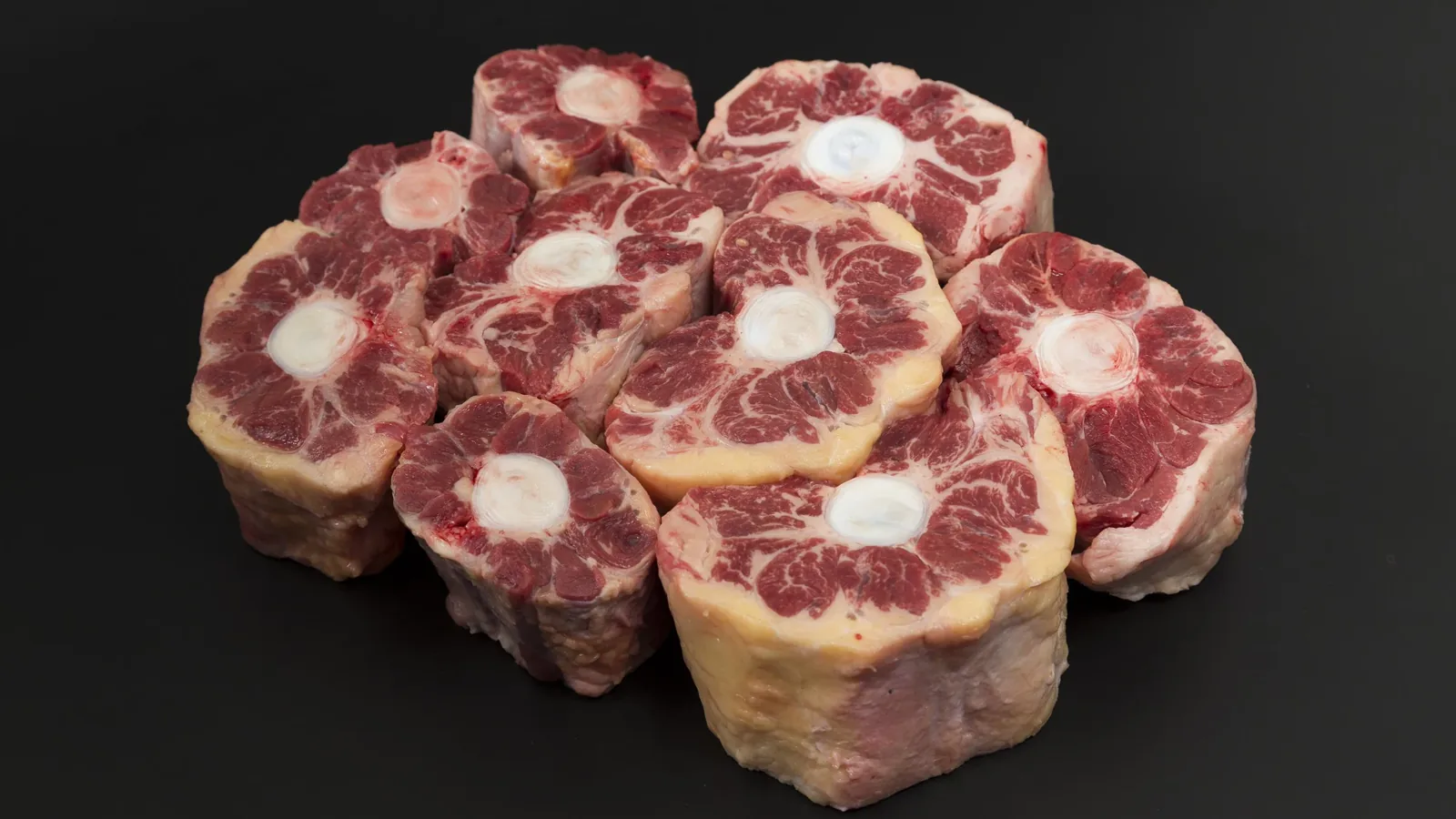
Loin cuts
The loin is most closely associated with prime cuts, bone-in rib steak, entrecôte, ribeye, tomahawk and T-bone steaks, and cuts intended for ageing. The balance between fat, bone and thickness makes the difference here.
- Cowboy steak
- Entrecôte
- Ribeye
- Bone-in rib steak
- Tomahawk steak
- T-bone steak
- Rib rack
- Tataki preparation
- Fillet
- Onglet (hanger steak)
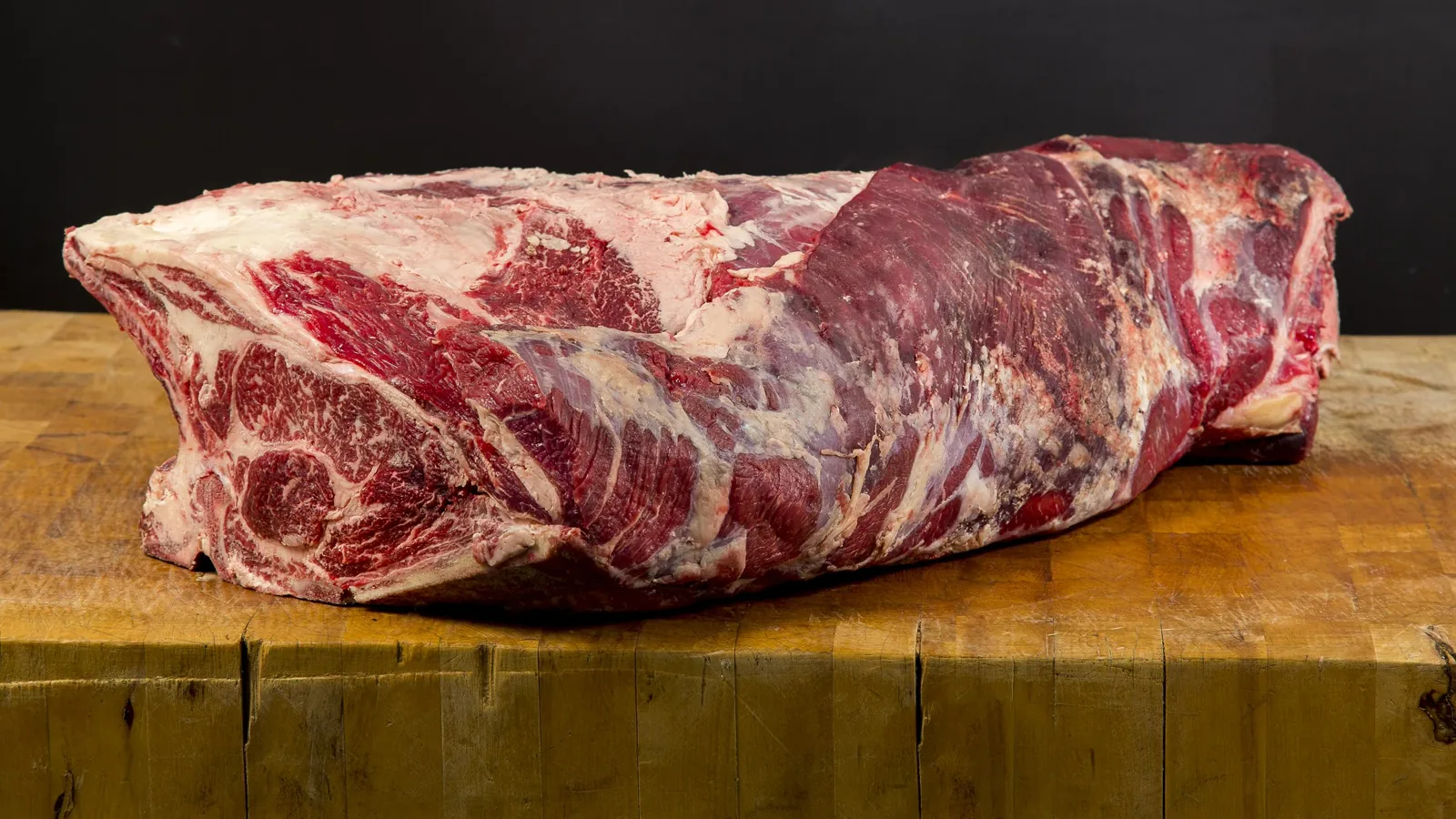
Hindquarter cuts
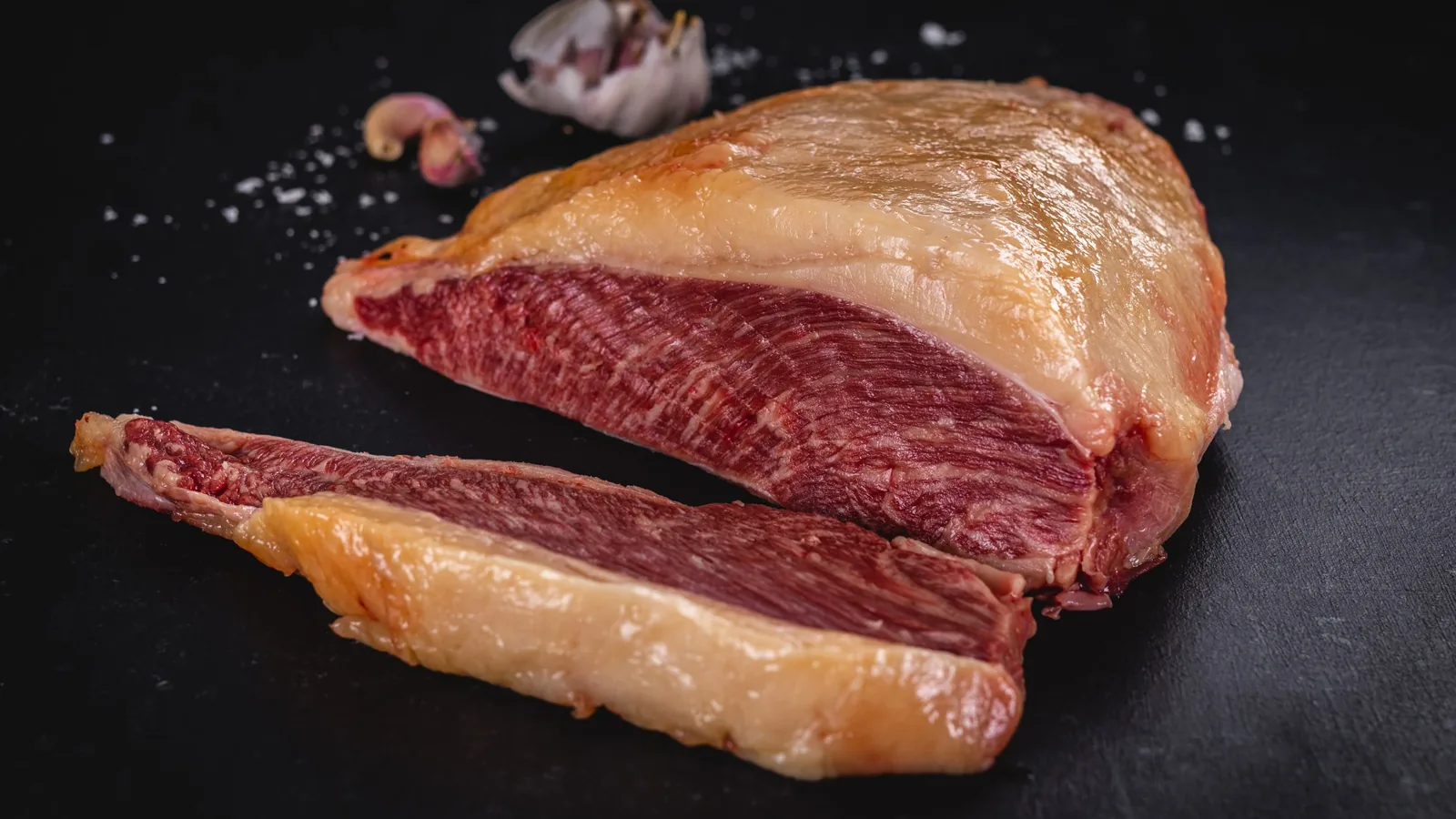
The hindquarter combines lean cuts, everyday options and characterful pieces such as picanha and oxtail. They do not all suit the same purpose: some work well on a griddle, while others need time.
- Topside
- Eye of round
- Knuckle (thick flank)
- Femur bone
- Picanha
- Rump
- Rump tail
- Hind shin
- Oxtail
- Bavette
- Culata de contra (hindquarter cut)
- Silverside
Flank and plate cuts
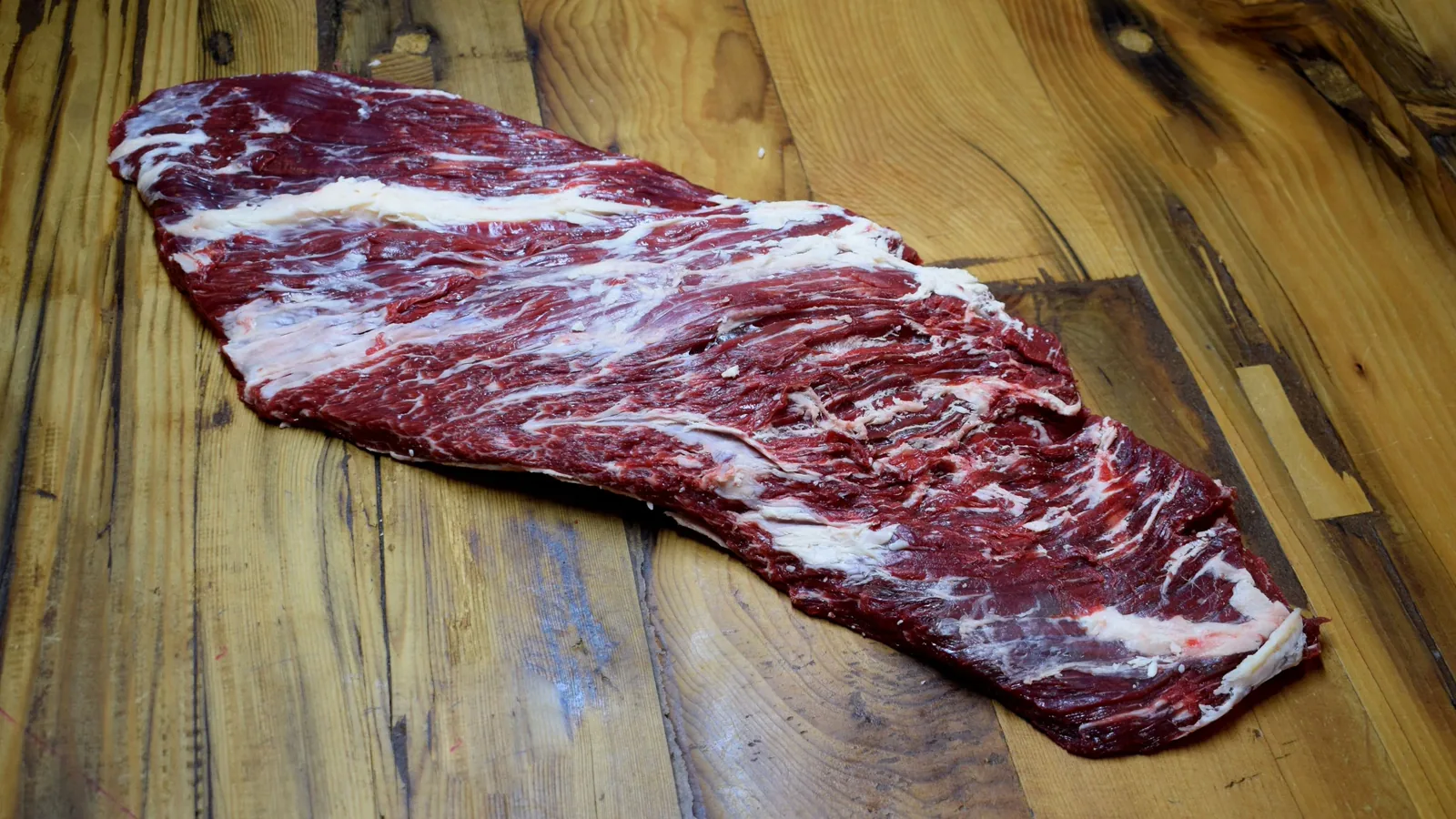
The flank and plate contain grain, fat and flavour. Cuts such as vacío, skirt steak and cross-cut short ribs can be excellent over charcoal when the grain, doneness and resting time are respected.
- Vacío (flank cut)
- Skirt steak
- Rib
- Cross-cut short ribs
- Fillet tail
Best cuts by use
| Use | Recommended cuts | Selection criteria |
|---|---|---|
| Grill | Bone-in rib steak, tomahawk steak, picanha, vacío, skirt steak | Fat, thickness, grain and resting. |
| Griddle | Entrecôte, ribeye, fillet, rump | Manageable cuts and precise cooking. |
| Braising or low and slow | Shin, oxtail, brisket, rib | Collagen, time and sauce. |
| Ageing | Bone-in rib steak, rib section, sirloin section, entrecôte | Volume, fat and external protection. |
CutAtlas: cuts by area
A practical map for orientation. It does not replace the supplier's product page, but helps explain uses, techniques and ageing.
Zona 01ForequarterHard-working area with collagen and deep flavour.9 cortes
Cañón (forequarter cut)
A hard-working cut with grain and flavour.
- Technique
- Braise or slow cooking
- Ageing
- Not a priority
Brisket
Pronounced grain and collagen.
- Technique
- Smoking, low and slow
- Ageing
- Not a priority
Chuck / presa / cube roll
Juicy and versatile.
- Technique
- Grill or roast
- Ageing
- Moderate with sufficient fat
Pez (shoulder cut)
A clean, relatively lean cut.
- Technique
- Gentle braise or sliced into steaks
- Ageing
- Low
Llana (flat-iron area)
Flavourful and tender when handled well.
- Technique
- Griddle or grill
- Ageing
- Moderate
Shoulder
Versatile and economical.
- Technique
- Braise, oven or steaks
- Ageing
- Not a priority
Fore shank area
Gelatine and flavour.
- Technique
- Slow cooking
- Ageing
- Not a priority
Fore shin
Collagen and bone.
- Technique
- Braise or stock
- Ageing
- Not a priority
Neck
Pronounced grain and power.
- Technique
- Stew
- Ageing
- Not a priority
Zona 02LoinPrime area for charcoal, griddling and ageing.10 cortes
Cowboy steak
A bone-in cut with considerable presence.
- Technique
- Grill
- Ageing
- Suitable
Entrecôte
Balanced and manageable.
- Technique
- Griddle or grill
- Ageing
- Suitable
Ribeye
Marbling and juiciness.
- Technique
- Hot griddle
- Ageing
- Suitable
Bone-in rib steak
An iconic cut for sharing.
- Technique
- Charcoal and resting
- Ageing
- Very suitable
Tomahawk steak
Visual impact and a long bone.
- Technique
- Controlled grilling
- Ageing
- Suitable
T-bone steak
A T-shaped bone separating sirloin and fillet.
- Technique
- Grill
- Ageing
- Moderate
Rib rack
Bone-in joint for roasting.
- Technique
- Oven or charcoal
- Ageing
- Moderate
Tataki preparation
A preparation using a quick sear.
- Technique
- Sear and slice thinly
- Ageing
- Depends on the cut
Fillet
Very tender with a delicate flavour.
- Technique
- Precise doneness
- Ageing
- Not always necessary
Onglet (hanger steak)
Intense, with a pronounced grain.
- Technique
- Quick grilling
- Ageing
- Short or moderate
Zona 03HindquarterA broad area with lean cuts and pieces of considerable character.12 cortes
Topside
Lean and consistent.
- Technique
- Sliced into steaks
- Ageing
- Not a priority
Eye of round
Lean and uniform.
- Technique
- Roast or larded
- Ageing
- Not a priority
Knuckle (thick flank)
Practical and versatile.
- Technique
- Steaks or braise
- Ageing
- Low
Femur bone
Marrow and depth.
- Technique
- Oven or stock
- Ageing
- Not applicable
Picanha
This rump-cap cut is defined by its fat cap and performs especially well on the grill.
- Technique
- Barbecue
- Ageing
- Moderate
Rump
Clean and versatile.
- Technique
- Griddle or roast
- Ageing
- Moderate
Rump tail
Flavourful and compact.
- Technique
- Roast
- Ageing
- Low
Hind shin
Gelatine and bone.
- Technique
- Braise
- Ageing
- Not a priority
Oxtail
Deep gelatine-rich character.
- Technique
- Long cooking
- Ageing
- Not a priority
Bavette
Grain and flavour.
- Technique
- Grill
- Ageing
- Moderate
Culata de contra (hindquarter cut)
A lean cut with varied uses.
- Technique
- Braise or roast
- Ageing
- Not a priority
Silverside
Lean and firm.
- Technique
- Steaks or roast
- Ageing
- Not a priority
Zona 04FlankGrain, fat and flavour for charcoal and slow cooking.5 cortes
Vacío (flank cut)
Long grain and deep flavour.
- Technique
- Charcoal and slicing against the grain
- Ageing
- Moderate
Skirt steak
Thin, intense and rewarding.
- Technique
- Hot grill
- Ageing
- Short
Rib
Bone, fat and power.
- Technique
- Slow barbecue
- Ageing
- Depends on format
Cross-cut short ribs
Cross-cut section with bone.
- Technique
- Charcoal
- Ageing
- Not a priority
Fillet tail
A small, flavourful piece.
- Technique
- Griddle or sauté
- Ageing
- Not a priority
Frequently asked questions
Which cuts should I choose for the grill?
Bone-in rib steak, tomahawk steak, picanha, vacío and skirt steak can all work very well when thickness, grain and resting are respected.
Which cut is easiest for a beginner?
Entrecôte and ribeye are generally more manageable than a large bone-in cut.
Is fillet always the best cut?
No. It is very tender, but does not have the fatty intensity of other cuts.
Would you like to apply a discount code?
Check the available discount and the step-by-step instructions before opening the store.