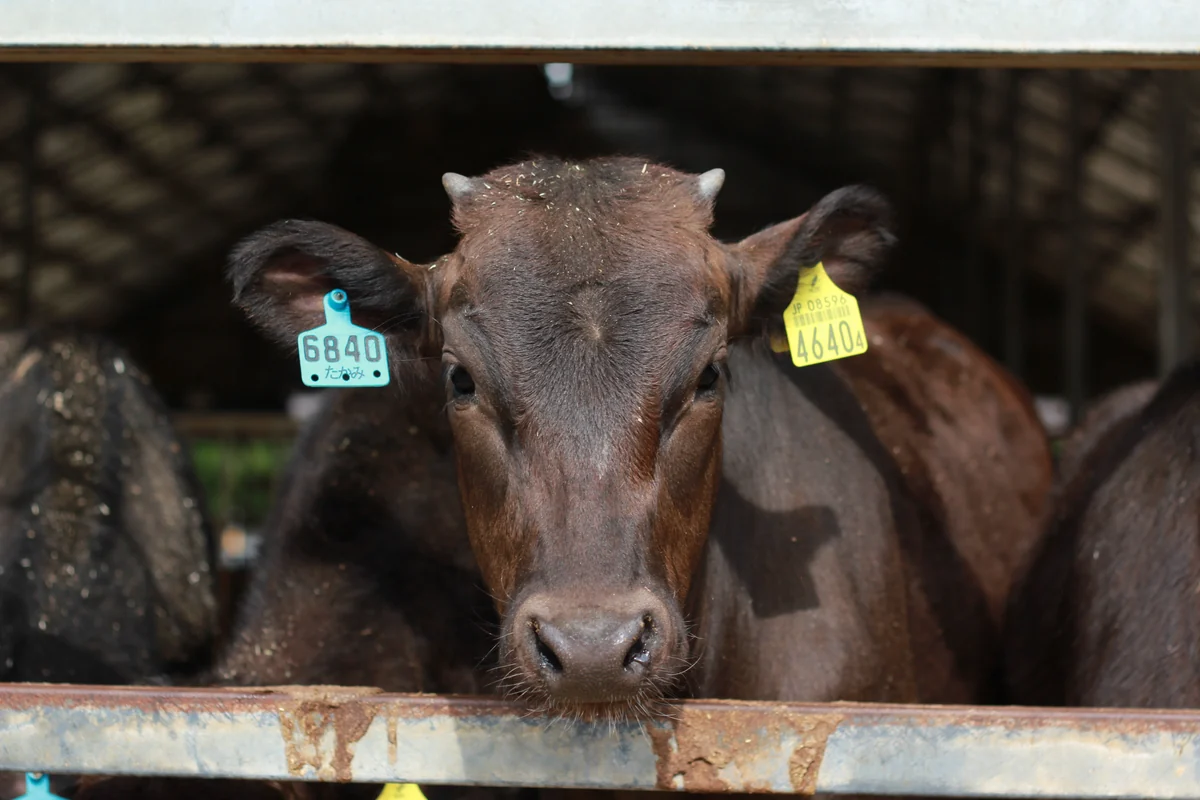
From Wagyu to Angus: what the name tells you about beef
Japan helps us distinguish breed, bloodline, grading and origin. We then explore beef from around the world, turning its names into useful questions to ask when buying.
A practical guide to premium beef and ageing
Enjoying great beef starts with choosing it well.
Knowledge, techniques and practical criteria for choosing, cooking and enjoying beef.
Japan helps us distinguish breed, bloodline, grading and origin. We then explore beef from around the world, turning its names into useful questions to ask when buying.
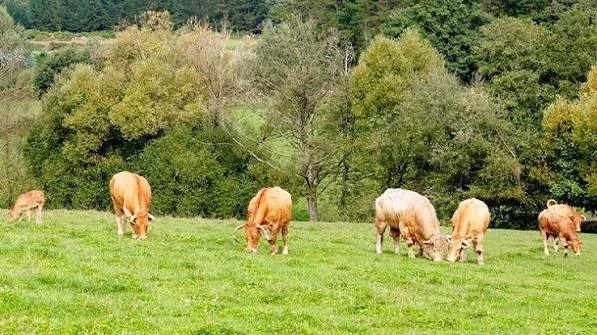
A large meat group, a cattle farm and an ageing specialist can all do excellent work. To compare them, we first need to understand what each contributes and what we expect from the beef we are going to eat.
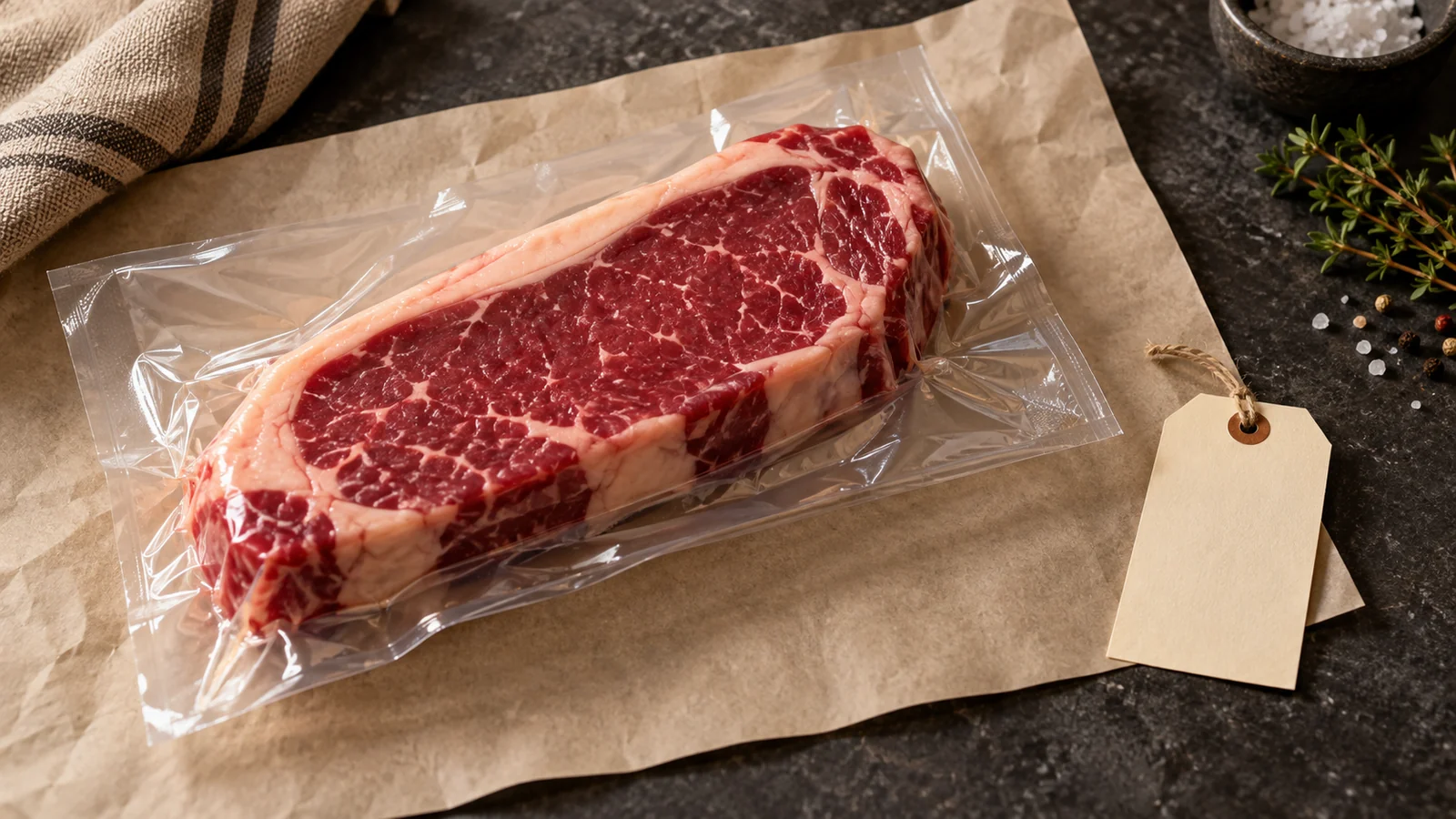
Read real labels from Alcampo, Mercadona, Carrefour, Dia, Lidl and Discarlux to find origin, product names, ingredients and quality marks, while distinguishing a beef cut from a meat preparation.
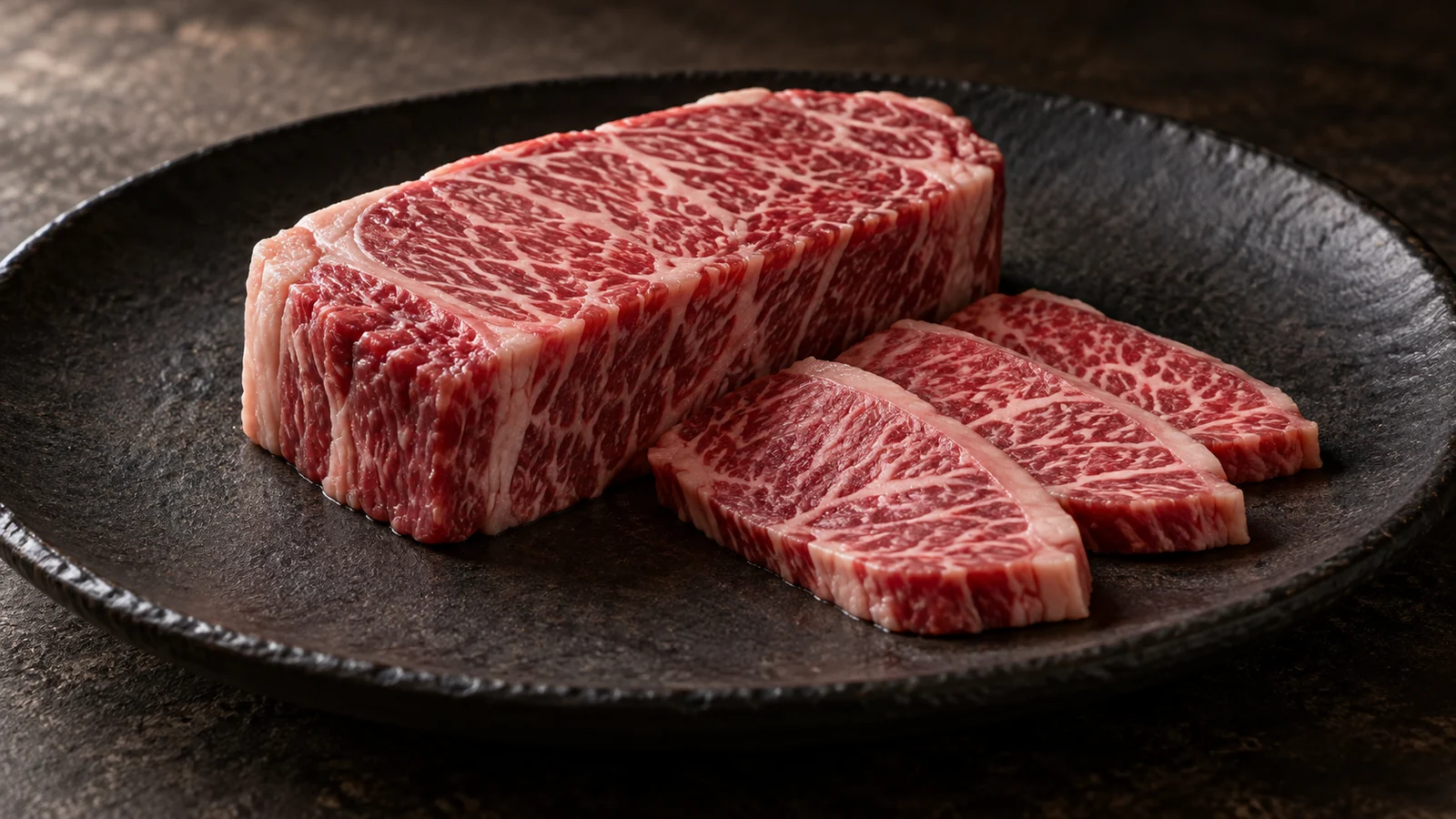
Wagyu, Kobe and A5 often appear together when we talk about Japanese beef. Each name explains something different: the cattle, a certification or the grading of the beef. Understanding these differences reveals a more diverse food culture than a photograph of marbling might suggest.

Grass and grain indicate what the animal is fed. When a label says ‘grain-finished’, it refers to the animal’s diet during the final stage of rearing. Use that information alongside the cut and your own preferences.
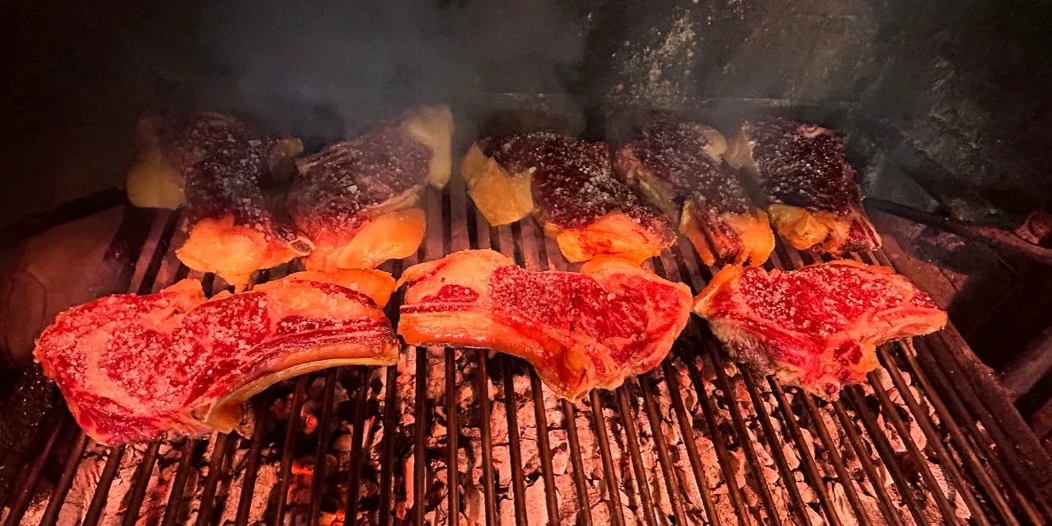
The business behind a restaurant’s bone-in rib steak can take many forms. This map explains four roles in Spain’s beef supply chain—without mistaking size, fame or turnover for quality.
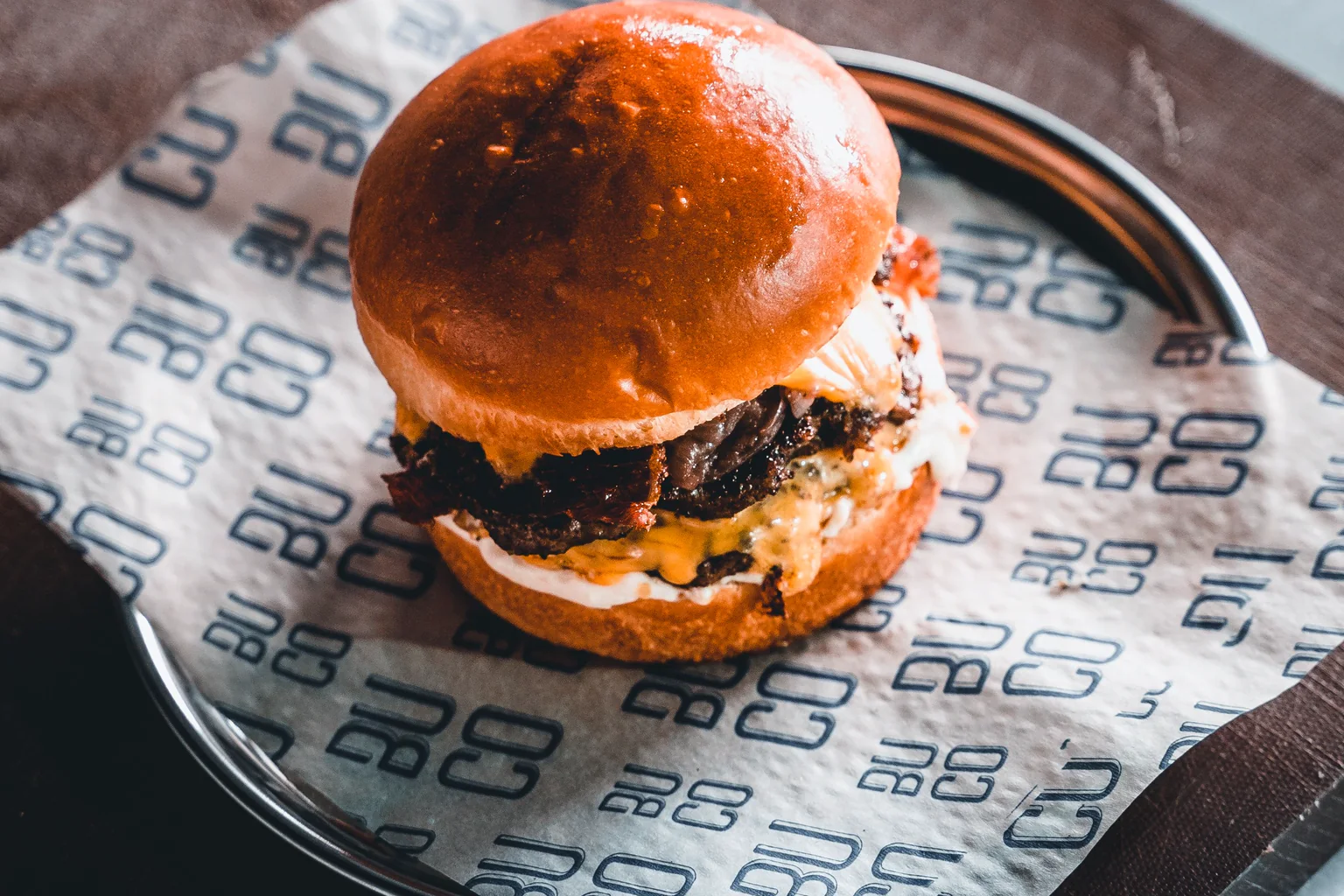
A good burger starts before the griddle: compare the beef, fat, grind, format, label and storage without overlooking food safety.
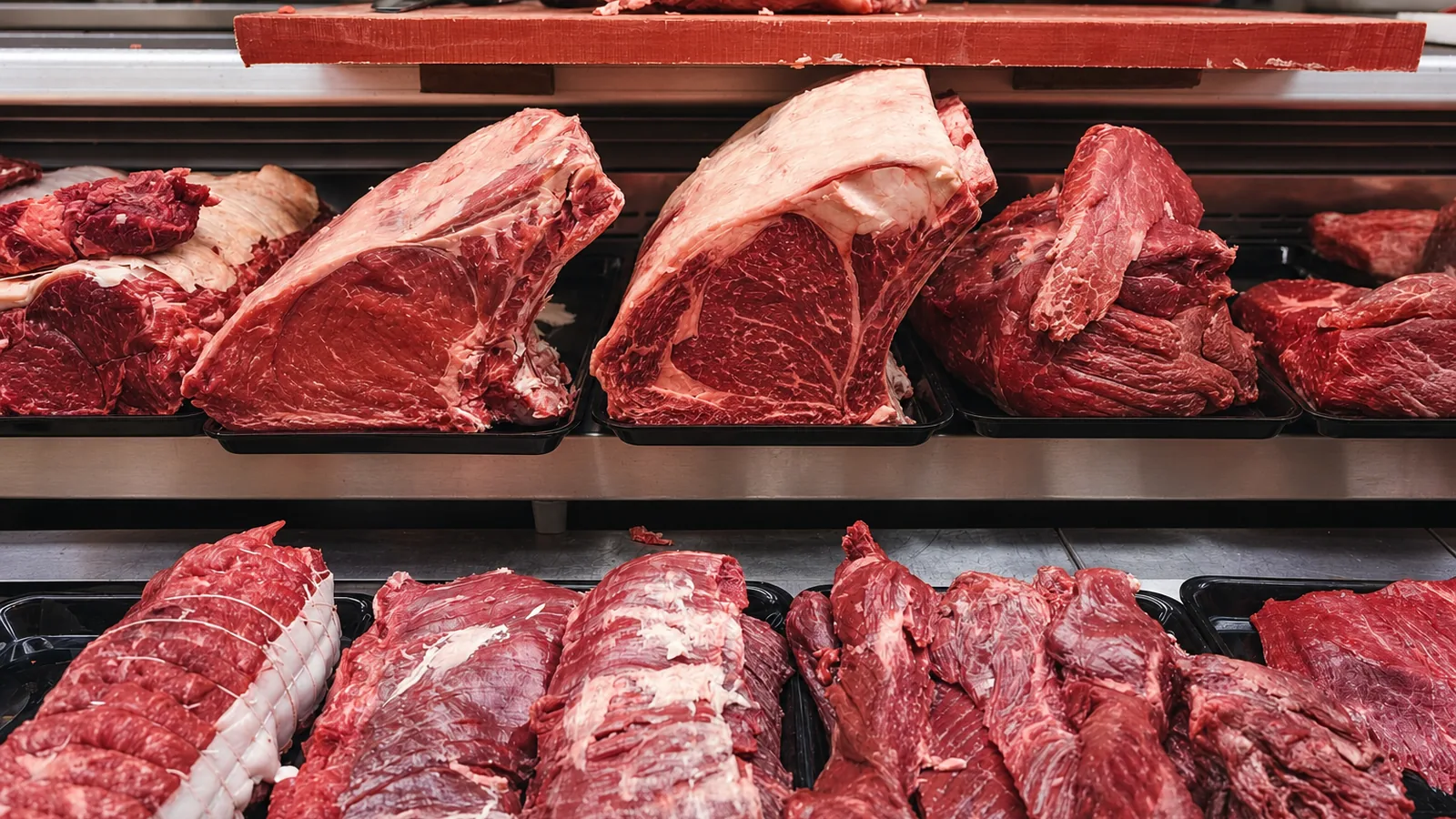
Beef-cut equivalents for Argentina, Venezuela, Colombia and Mexico: learn what to ask for at a Spanish butcher's and which differences to consider.
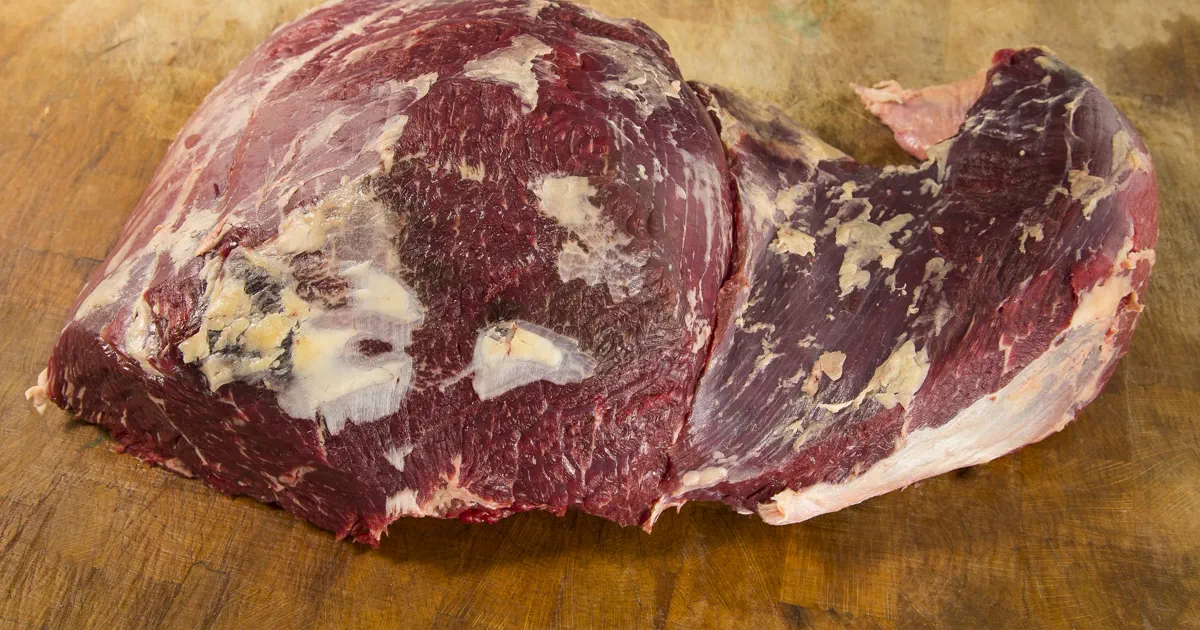
Excellent beef is not defined by price, breed or ageing time alone. These seven criteria will help you choose with greater confidence.
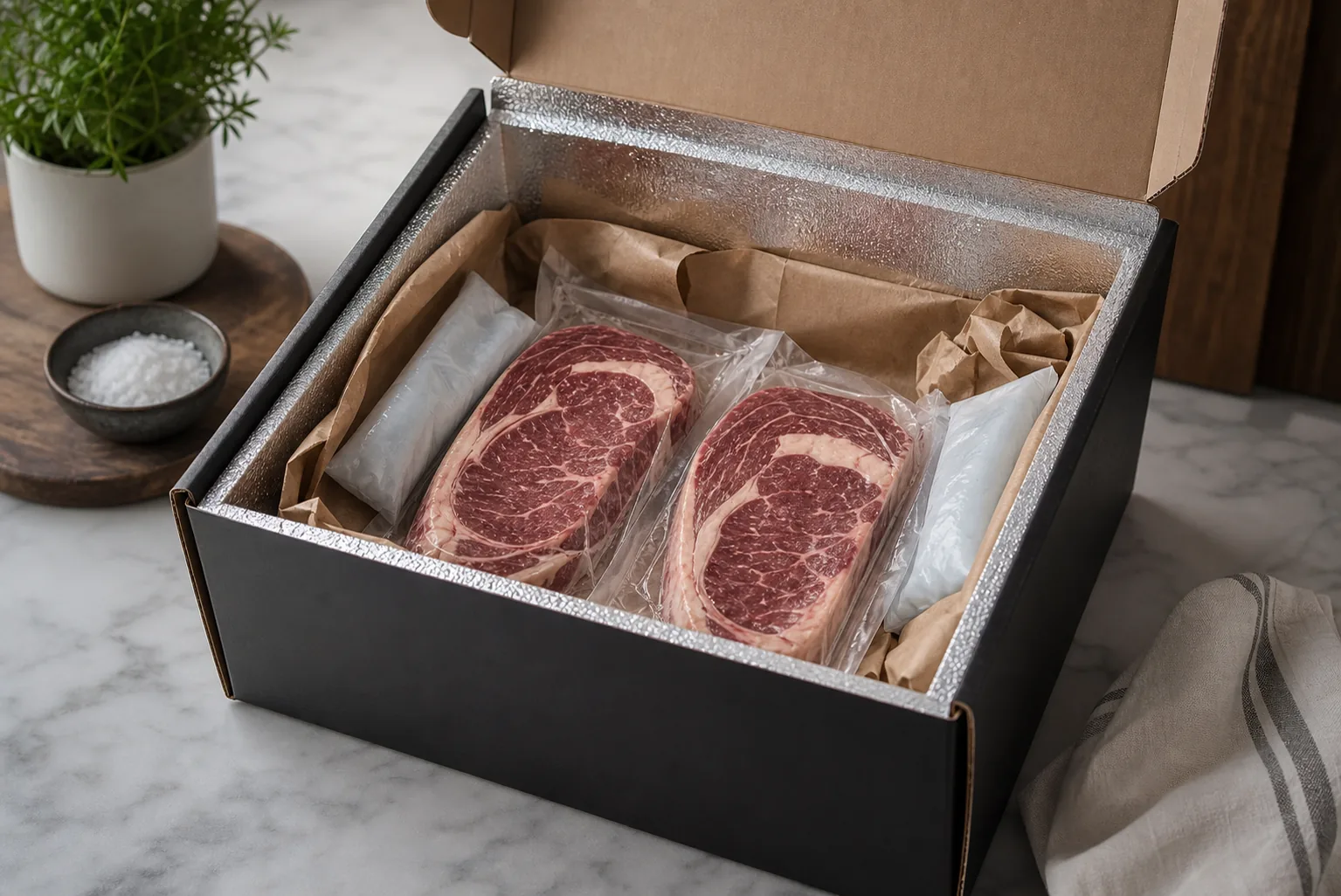
Cold chain, packaging, handover and storage: key points before buying fresh beef online.