
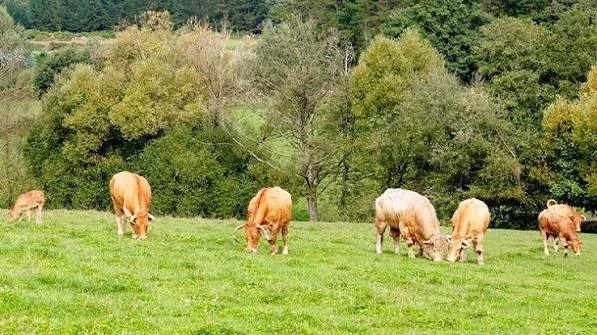
Origin begins the story; on its own it does not establish the quality of a piece of beef.
Imagine searching for “the best meat companies” and finding a ranked list. First comes a group supplying thousands of customers. Next, a cattle farm with a clearly defined origin. Then, an ageing specialist known for its large bone-in rib steaks. The order seems clear. The criteria are less obvious.
Does the ranking reward supply capacity, animal care, the selection of cuts or the flavour of a finished dish? These businesses might even work together: one buys from the farm, another ages the beef and a restaurant serves it.
The list promises to help us choose, but it mixes different questions. Even a familiar code such as A5 holds a surprise: the letter says nothing about flavour. We will come back to that.
Size tells an incomplete story
Turnover, kilos sold and customer numbers describe business activity. Followers describe an audience. These figures may be interesting, but none, on its own, describes the tenderness, juiciness or flavour of a piece of beef.
A large business may coordinate several sales channels and develop a specialist selection within them. A small business may focus on a very specific product. Scale and specialisation are different dimensions that can coexist.
Scale
How much can it do?
Specialisation
Where does it focus its work?
They can coexist. Neither establishes the eating quality of a piece of beef on its own.
It would therefore be just as misleading to reverse the ranking and assume that smaller is always better. Size explains part of how a business works. To assess the beef we need to look more closely at the product: the cut, its characteristics and how we intend to use it.
Different jobs lie behind a piece of beef
The term “meat business” covers activities that are not interchangeable. To find our bearings, it helps to distinguish their functions, although one company may perform several.
- Cattle farms rear the animals and make decisions about breeding, feeding and husbandry.
- Meat-processing businesses may organise slaughter, butchery, packing or other operations that prepare meat for sale.
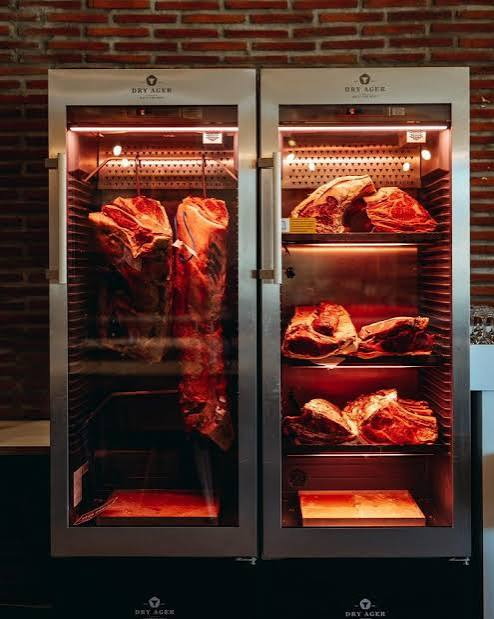
- Selection and ageing specialists choose pieces and manage their development under controlled conditions.
- Foodservice distributors match the product to the needs of hotels, restaurants and other catering businesses: cut, format, storage and delivery.
- Restaurants turn that piece of beef into a dish through preparation, cooking and service.
A supplier may select a suitable loin, yet the restaurant can change the outcome through cooking. A good cut may also need a different treatment to show what it can offer. The result develops along the whole chain.
What premium means at Carnes Deluxe
Here, we use “premium” as a description that needs explaining. We look for a combination of attributes suited to a particular use, supported by evidence for the claims being made.
Origin can contribute a meaningful story when it is documented. Marbling, texture or a particular ageing process can help describe the expected character of the beef. Storage and cutting also matter. Each detail answers a different question.
This means distinguishing a characteristic from a preference. Intense ageing may appeal to someone seeking pronounced flavours and prove too much for another diner. More marbling does not mean that everyone will prefer that beef in every dish, either.
For dinner at home, we might want a steak that is straightforward to cook. A restaurant may also need cuts to meet particular specifications week after week. Eating quality and service quality are related, but we should explain which one we are assessing.
Three international systems, three ways of looking
Grading systems help explain why we cannot place all beef on the same scale. The United States, Japan and Australia offer examples of different approaches.
United States
quality and yield assessed separately
The USDA distinguishes quality grades, including Prime, Choice and Select, from yield grades. Quality grading considers marbling, or intramuscular fat, and the animal’s maturity, among other requirements. Yield estimates the expected proportion of certain boneless, trimmed cuts for sale. One measure does not replace the other. USDA grading criteria.
Japan
a letter and a number
In A5, the letter A identifies an estimated yield above the standard, while 5 is the highest quality grade within that system. The quality grade considers four areas: marbling; meat colour and brightness; firmness and texture; and fat colour, brightness and quality. The final quality grade takes the lowest result of the four. A5 is neither a breed nor a worldwide flavour score. Japan’s beef grading system, JMGA.
Australia
the cut and how it is cooked
Meat Standards Australia, MSA, predicts what the beef will be like to eat, according to the cut and cooking method, while also considering factors relating to the animal and processing. How MSA grades beef. Its five-star level is called “premium”: here, the word has a defined meaning within the programme. MSA handbook.
Each system allows comparisons within its own criteria. The problem arises when A5, Prime and MSA become three rungs on the same ladder: the information that distinguishes them is lost.
When a comparison is useful
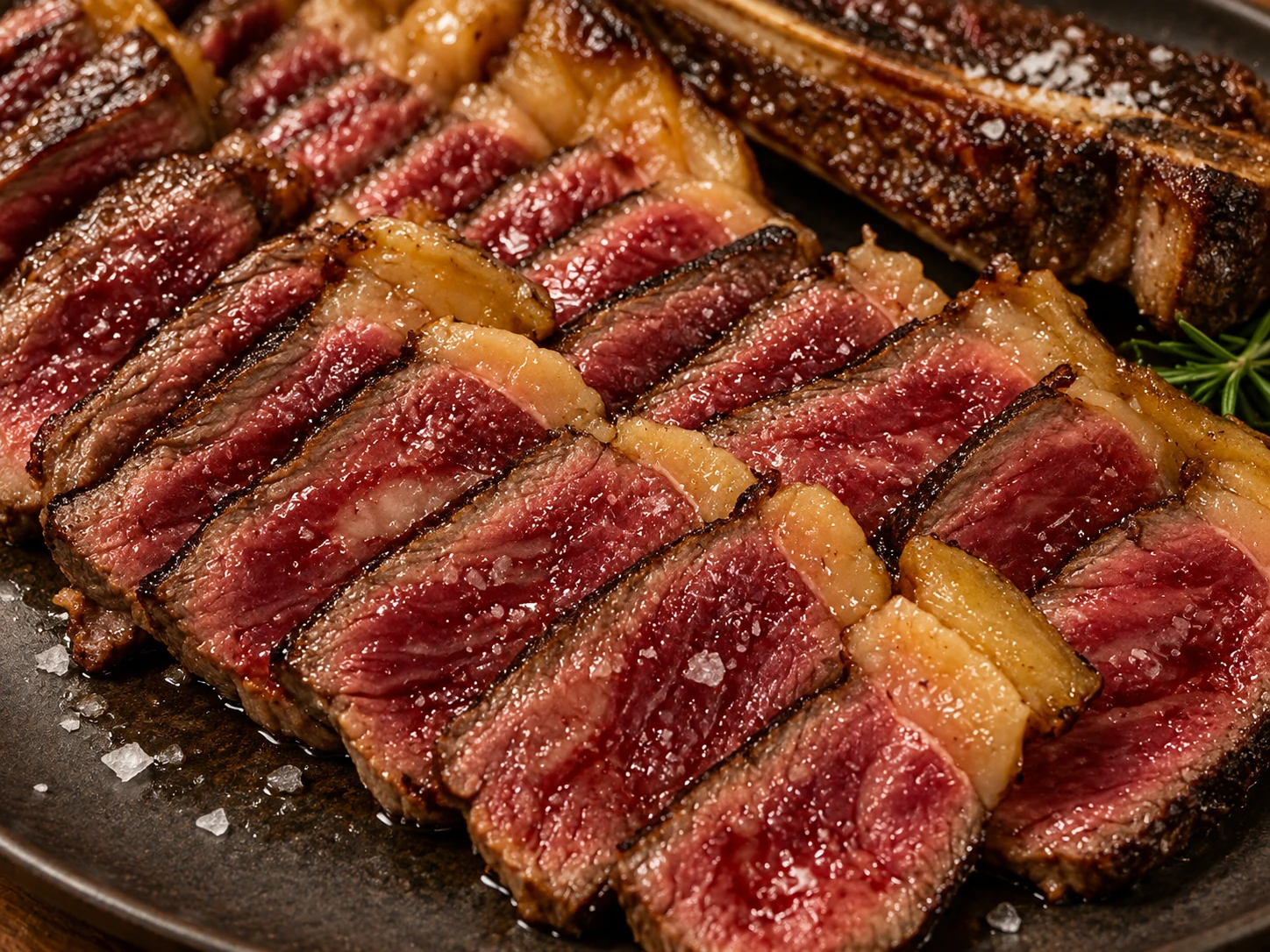
Consider a tasting of large bone-in rib steaks. To interpret the result, we would need to know which pieces were tasted, how they were prepared and the assessment criteria. A score might describe that particular tasting. Extending it to all the beef sold by each company would require much more evidence.
The same applies to a business ranking. If it compares availability and consistency of supply, it should explain how these are checked. If it compares the eating experience, it needs to specify what was tasted and under what conditions. A high position only makes sense alongside the method and scope of the comparison.
Comparisons are possible. For them to teach us something, the questions and the evidence must match. “Better” becomes useful when we know better at what, for whom and compared with which alternatives.
From a ranking to a map
Our map of the beef sector in Spain shows how these functions take shape in businesses with different histories and models. It is the next step towards putting names and context to the distinctions we have explored.
Before choosing a winning company, it helps to understand what each one does. And before choosing beef, it helps to know what we want to cook with it. A better meal begins with a more specific question.