Two entrecôtes catch your eye. One highlights a grass-based diet; the other has been finished on grain. Both look tempting and promise a special meal. You turn to the product descriptions for a clue: what difference might you notice on the plate?
Feeding can influence fat and flavour. The cut, the animal’s age, ageing and preparation also matter when choosing. The words on the label become useful when you understand how they fit together.
In Spanish, beef is called vacuno, or res across much of Latin America. Here, entrecôte means a boneless cut from the loin area; names and butchery practices vary between countries and shops.
What grass-fed, grain-fed and grain-finished mean
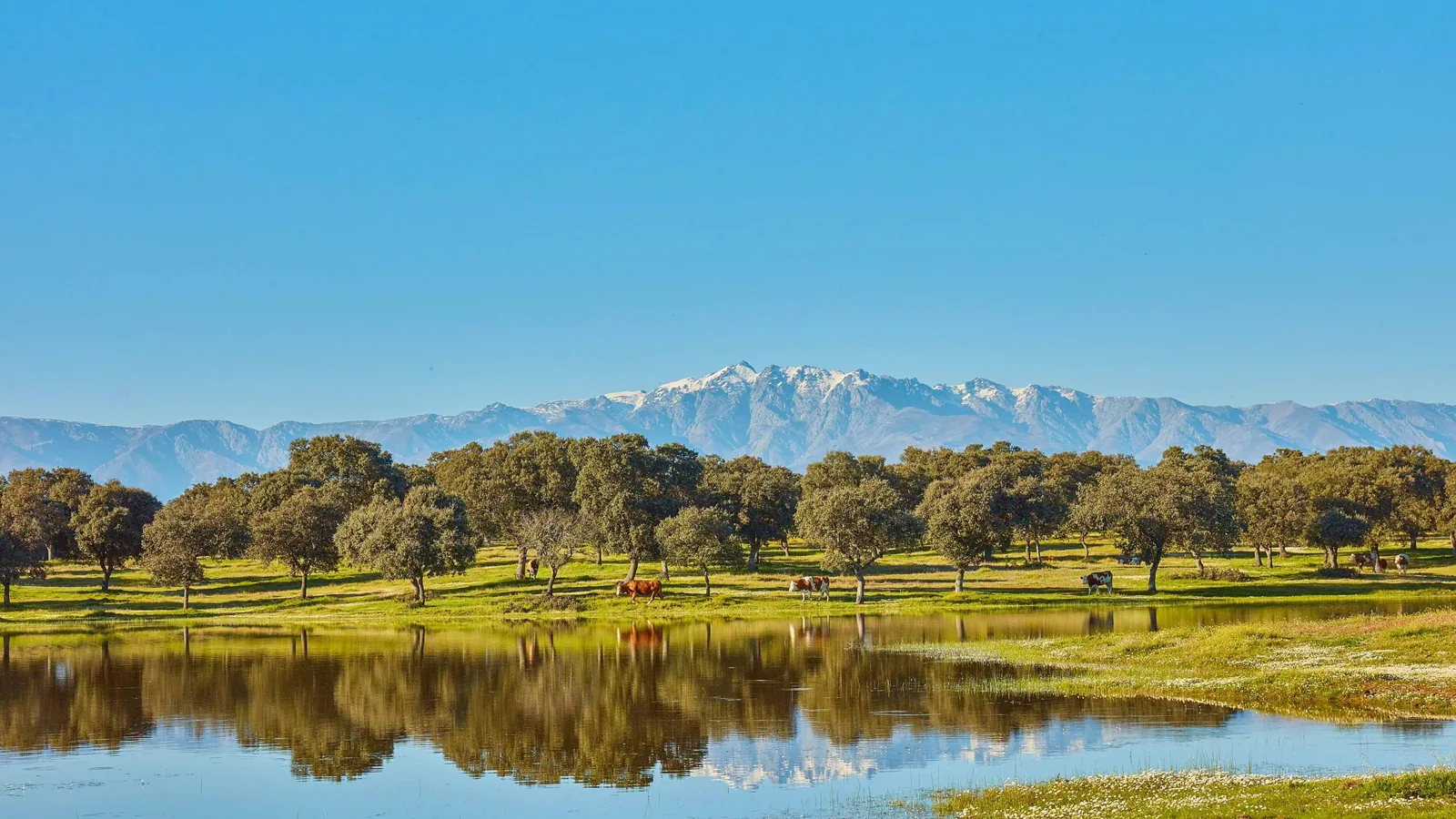
Grass-fed refers to a diet based on grass and forage. That feed may be conserved as hay or silage, so the term does not necessarily describe an animal grazing outdoors every day of the year.
The detail lies in the system’s requirements. Bord Bia describes a standard requiring at least 90% grass or grass forage, calculated on a fresh-weight basis. Pasture for Life describes its certification as 100% pasture-based feeding. Both examples show why it is worth checking which programme supports the label. Bord Bia standard, Pasture for Life certification.
Grain-fed refers to feeding rations that include cereals. The term alone does not mean the animal has eaten grain exclusively throughout its life.
Grain-finished refers to feeding during the final stage before slaughter, known in Spanish as acabado or terminación. In Australia, for example, the commercial grainfed designation is linked to accredited feeding systems and periods. MLA cattle preparation guide.
When you see ‘grain-finished’, check what that involves and which period it covers.
Understand the stage behind the label
One life, different feeding stages
01 · Rearing
What has the animal eaten?
Grass, conserved forage, feeding rations or supplements.
02 · Finishing
What is fed in the final stage?
Feeding may continue with forage or incorporate cereals.
Finishing does not tell the whole story. Ask what each supplier states and can substantiate.
Conceptual diagram: it does not represent a universal diet or timetable.
What may change in the fat and flavour
Marbling is the fat interspersed within the muscle, giving it a flecked or veined appearance. It is different from the outer layer of fat: looking at both helps you describe the kind of cut you would enjoy.
Feeding can influence that fat, although the result also depends on other factors. In a Teagasc comparison involving Angus-sired heifers at similar carcass weight, the concentrate-fed group had more intramuscular fat than the group fed grass and silage. The trained panel detected a stronger vegetable or grassy note in the grass-fed group; in this comparison, differences in tenderness, juiciness and overall acceptance were not statistically significant. Teagasc research, BEEF 2022.
The result offers a useful buying principle: diet can contribute nuances, but it is worth checking how they appear in the cut in front of you. If you want more intramuscular fat, ask about its marbling. If you prefer a particular flavour profile, ask the supplier to describe the beef.
The same publication reports that the subcutaneous fat of grass-fed animals may be yellower. That colour is a possible characteristic; you need product information to establish the feeding system. A photograph can help you assess appearance, but it does not substantiate how the animal was reared.
Read the product description in four steps
Feeding, breed, origin and ageing may appear together in a product description. Each answers a different question:
| Detail | What it helps you understand |
|---|---|
| Feeding | What the animal has eaten and during which stages |
| Breed | The genetic information stated by the supplier |
| Origin | The product’s documented provenance |
| Ageing | The process applied to the beef after slaughter |
A breed name does not explain the diet on its own. Nor are all animals in one country reared alike, and days of ageing do not describe their feeding. Reading these details separately allows you to bring them together with better judgement.
Our guide to recognising quality beef explains how to assess these factors together. Research into eating quality also studies them as interacting elements. Factors studied by Teagasc.
Back to those two entrecôtes: which would you choose?
Start with the meal you plan to prepare. Then use the product information to refine your choice.
| If you would like… | Look at… |
|---|---|
| A cut with more intramuscular fat | The cut’s marbling and the supplier’s description |
| A leaner option | The cut and the fat present |
| To explore new flavours | Comparable cuts and their described flavour profiles |
| To understand the rearing system | The system, its stages and available documentation |
| To keep within a budget | Price, weight, bone and intended use |
Imagine swapping one entrecôte for a fillet. Your comparison now includes another important difference: the cut. To explore feeding, it is more useful to ask for the same cut, similar thickness and information about ageing.
Cook the two cuts in a comparable way and note what you prefer about each. Perhaps one appeals for its flavour and the other for its texture. That small tasting will help with your next purchase, guided by your own preferences. If you are unsure which cut to use, the beef cuts atlas helps you choose a starting point.
A product description to put this into practice
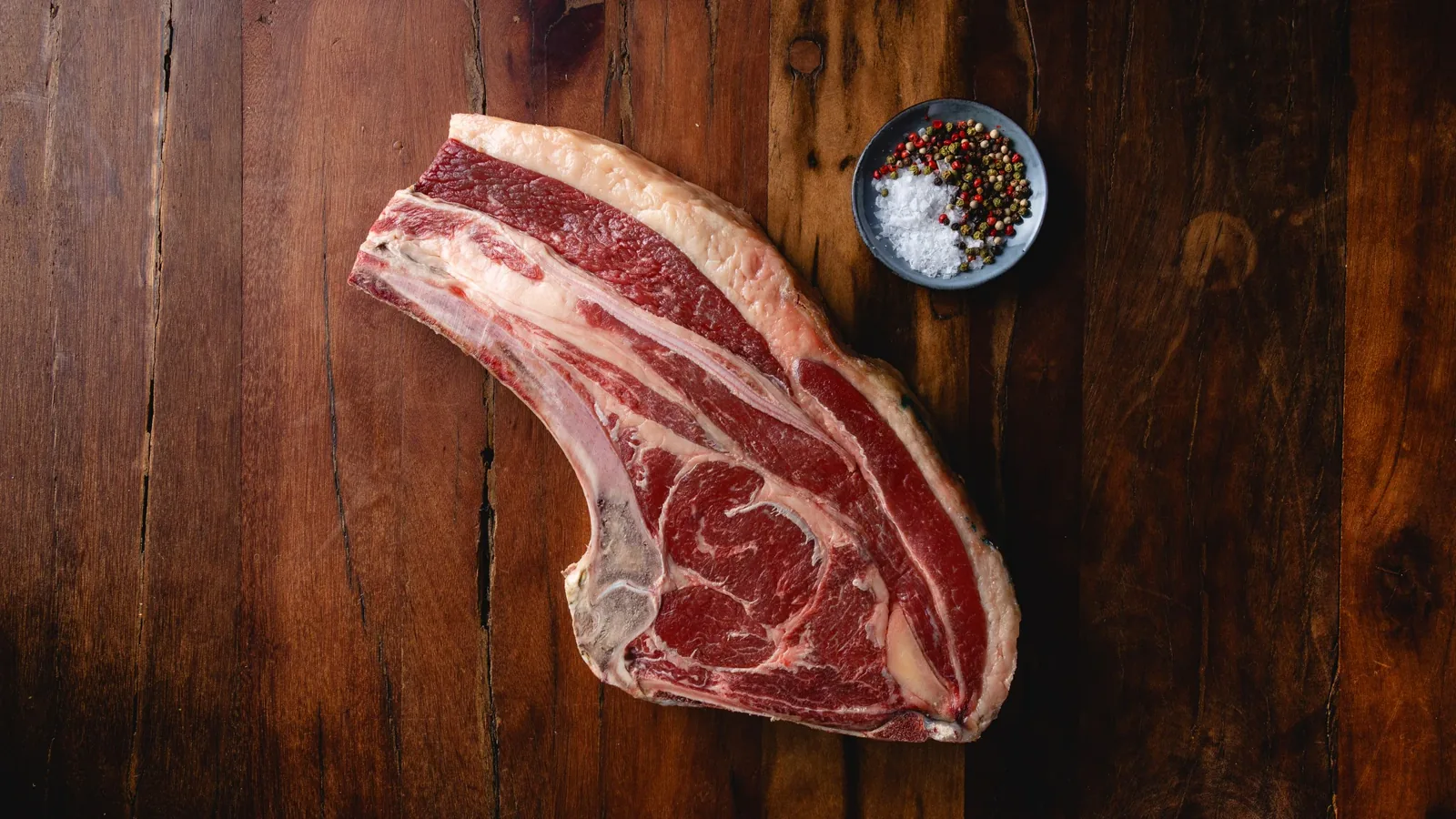
Discarlux describes the cattle for its 1.2 kg chuleta de vaca OLD SPECIAL BEEF, a bone-in lomo alto (fore rib) cut, as ‘fed on pasture and local cereals’. The wording identifies a combination of feeds but does not specify proportions or stages. If you are looking for a bone-in steak for the grill, this is one option to explore. Before choosing it, ask how that feeding is carried out.
Carnes Deluxe has a commercial collaboration with Discarlux. Read our editorial transparency policy.
Five questions to make buying easier
Take this list to the butcher’s or use it when asking a shop for more information:
- Does the stated feeding cover the whole rearing period or just finishing?
- Which feeds does this system include?
- What documentation or certification supports the information?
- Do these details apply to this cut or to a broader range?
- What preparation would you recommend for the dish I want to make?
A specific answer helps connect the label with your purchase. If a detail is missing, decide using what is documented: cut, weight, ageing, price and preparation advice.
Is grass-fed beef organic or healthier?
‘Grass-fed’ and ‘organic’ have different meanings. European organic production has its own rules on feeding, husbandry, welfare and supply-chain controls. Check the certification to identify it. European Commission: organic production.
Differences in composition also do not establish that a cut is healthier for an individual. Teagasc observed differences in fatty acids, but the omega-3 increase studied was insufficient for the beef to qualify for a ‘source of’ claim for that nutrient; the research highlighted the need for longer studies of its health implications. Teagasc: nutritional composition.
For this purchase, feeding information helps you understand production and explore culinary preferences. If a description adds an environmental benefit, also look for the supporting evidence and the conditions it covers.
Now return to those two entrecôtes: read what feeding means for each, compare the cuts and choose with your meal in mind. To move from the guide to buying, explore our recommended supplier and check the description and availability of the product that interests you.