For years, the expression ‘premium beef’ has been accompanied by a string of superlatives: the best breed, the longest ageing, the most exclusive cut or the most spectacular marbling. Yet when we stand at a butcher's counter or browse an online shop, the important question is not how many adjectives appear in the description. It is much simpler: what makes beef genuinely good?
Discarlux sums up its philosophy in one direct idea: ‘Eat less meat, choose better.’ It is a useful starting point, provided it is interpreted correctly. It does not mean automatically paying more or treating every expensive product as an excellent purchase. It means planning more carefully, buying the quantity we actually need and asking for more information about the product we are taking home.
Dietary guidance from the Spanish Agency for Food Safety and Nutrition places general meat consumption at no more than three portions a week within a varied, balanced diet, prioritising poultry and rabbit and minimising processed meat. Within this framework of moderation, it makes sense to learn how to recognise the culinary quality of each cut and make better use of every occasion when we eat meat.
Quality beef is not simply the most expensive. It is properly identified and stored, suited to the recipe and prepared in a way that respects its characteristics.
Quality cannot be reduced to a single label
Before considering flavour, there is one non-negotiable condition: the product must be safe, stored correctly and accompanied by enough information to identify it.
From there, we can discuss culinary quality. It brings together several elements:
- tenderness
- juiciness
- flavour
- aroma
- texture
- how well the cut suits the cooking method.
The quality of the purchase matters too. A superb cut can disappoint if it is wrong for the recipe, arrives in poor condition or is cooked without the right technique.
Meat Standards Australia provides a useful example of this broader view. Its grading system draws on almost 1.7 million taste tests involving more than 250,000 consumers in 13 countries. Rather than attributing quality to a single variable, it considers production, processing, the cut, ageing time and cooking method together.
The practical conclusion is clear: breed, price and ageing time may all be relevant, but none explains the final experience on its own.
The 7 keys to recognising quality beef
1. Information, origin and traceability
A good purchase starts with knowing what we are buying.
The product information should clearly identify, as appropriate for the sales channel:
- the type of meat
- the exact name of the cut
- the origin
- the weight or weight range
- whether it is bone-in or boneless
- the storage conditions
- the applicable date
- the producer, distributor or business responsible for placing it on the market.
Traceability cannot by itself guarantee that we will love a cut, but it allows us to understand its journey, compare alternatives and ask the seller specific questions.
Country of origin should not be treated as an automatic guarantee of quality either. Within one country, producers, animals, processes and selection standards can vary greatly. Origin provides context; it does not replace the rest of the information.
2. The right cut for what we want to cook
There is no single cut that is universally better than all the others. There is a cut better suited to each preparation.
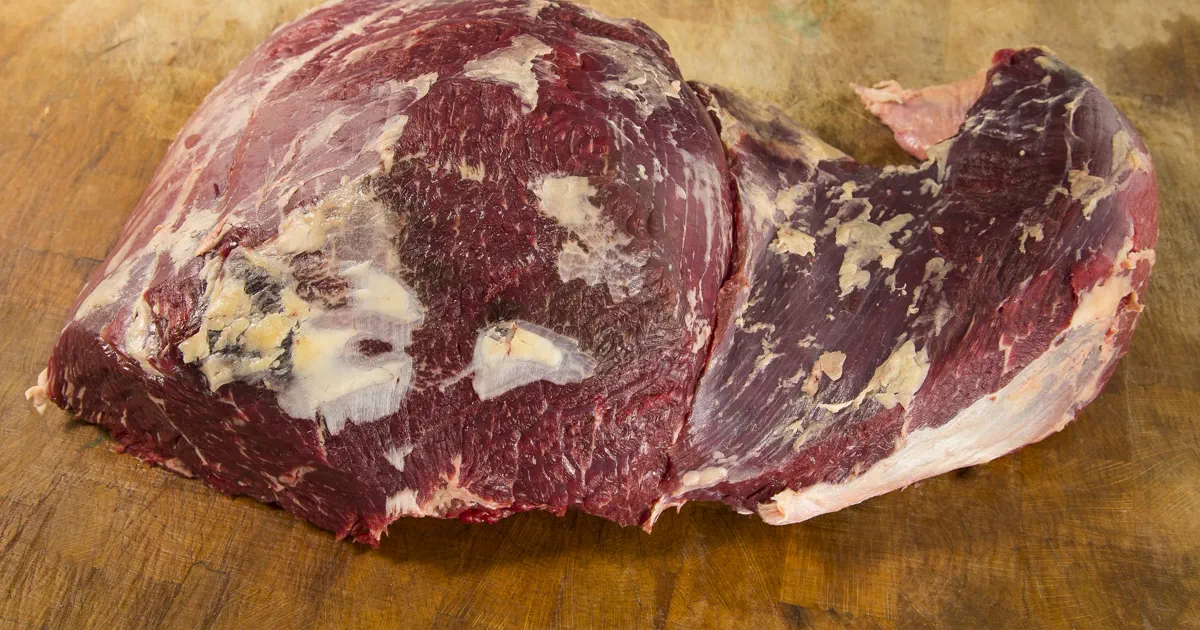
Fillet is prized for tenderness and its usually more delicate flavour. Cuts from the rib and sirloin sections work particularly well on a griddle or grill. Picanha combines flavoursome beef with its characteristic fat cap. Chuck, shin and other cuts containing more connective tissue can produce outstanding results with slower cooking methods.
Buying quality also means not paying for characteristics that our recipe does not need.
Before choosing, answer four questions:
- Will we use a grill, griddle, oven or slow-cooking method?
- Do we want maximum tenderness or a more intense flavour?
- Do we want a bone-in or boneless cut?
- How many people will be eating?
A less expensive cut, chosen and cooked well, can deliver a far better experience than a prestigious cut used incorrectly.
3. Fat and marbling
Marbling is intramuscular fat distributed in small streaks through the beef. It should not be confused with the layer of external fat that may surround a cut.
Intramuscular fat can contribute to juiciness, texture and the perception of flavour during cooking. More marbling, however, does not necessarily make beef better for every person or every recipe.
Some consumers prefer highly marbled beef; others value a leaner cut with a different texture. There are also cuts in which external fat plays an important role during cooking.
Marbling should therefore be understood as a characteristic that helps predict the experience, not as a universal score.
4. Breed, age and diet
Breed influences characteristics such as the animal's conformation, its tendency to develop marbling and certain sensory qualities. Age may be associated with a more intense flavour, while diet and husbandry can also alter the profile of the beef and its fat.
But these factors always work together.
A well-known breed cannot compensate for poor selection, incorrect storage or unsuitable cooking. Equally, beef from a less widely promoted breed can be excellent when it comes from a good producer and has been selected and handled correctly.
When a product description highlights only the breed name, keep asking:
- What is the cut?
- What is its specific origin?
- How has it been aged?
- How should it be stored?
- Which preparation is it recommended for?
5. Ageing
After slaughter, beef undergoes a series of natural changes. Under controlled conditions, time allows certain enzymes to act on the muscle structures, potentially improving tenderness and developing new nuances of flavour.
There are two main approaches:
- ageing in vacuum packaging, commonly known as wet ageing
- ageing without vacuum packaging in a controlled environment, known as dry ageing.
Dry ageing causes moisture loss, and the outer surfaces must be trimmed away before portioning. This reduces the usable yield and helps explain some of the higher cost. It can also develop more concentrated and distinctive flavours.
Ageing time is not a league table in which the highest number always wins. The result depends on the cut, the individual piece, the fat, the ageing-room conditions and the flavour profile being sought.
Thirty, sixty and ninety days describe different periods; they do not in themselves represent three automatic levels of quality.
Before buying aged beef, it is useful to know:
- the method used
- the ageing time
- the cut
- the controlled conditions used for the process
- the sort of flavour to expect.
6. Storage and the cold chain
Excellent beef ceases to be a good purchase if it is not stored correctly.
When buying beef online, check:
- that the seller explains how it is transported
- that the product arrives chilled or frozen, as applicable
- that the packaging is intact
- that the seal is undamaged
- that clear storage instructions are provided
- that the date shown on the label is observed.
Colour, considered in isolation, is not proof of freshness. It can vary with the cut, exposure to oxygen, lighting and the type of packaging. Vacuum-packed beef may initially have a different colour and change after exposure to air.
Do not use colour or smell as substitutes for the label, temperature and storage instructions. If a pack arrives open, damaged or unusually swollen, or if the product shows persistent signs that cause concern, do not eat it and contact the seller.
7. Cooking is part of quality too
The final experience does not end when we buy the beef. An unsuitable cooking method can strip a good cut of many of its qualities.
A few general principles help:
- adapt the technique to the cut
- avoid leaving beef at room temperature unnecessarily for hours
- carefully dry the surface when the preparation requires it
- control the heat rather than always cooking at maximum intensity
- allow a brief rest after cooking when appropriate
- slice in the right direction to make the beef easier to chew
- follow the specific guidance for burgers, minced meat and meat preparations.
Not every cut requires the same level of doneness, and not every preparation should be handled in the same way. Quality also means understanding the product and treating it sensibly.
Five claims that do not guarantee great beef on their own
‘Premium’ or ‘gourmet’
These expressions may describe how a product is positioned, but they do not in themselves explain its origin, cut, ageing or storage. They need to be supported by specific information.
A famous breed
Breed matters, but it does not replace husbandry, selection, processing, ageing or cooking.
A very high number of ageing days
More time can produce a more intense flavour, but it does not ensure greater tenderness or a better experience for every palate.
The brightest red colour
Appearance depends on several factors. Colour must be considered alongside the packaging, temperature, dates and storage conditions.
The highest price
A high price may reflect limited production, substantial weight and yield loss during ageing, complex logistics or exceptional selection. But price cannot replace information or guarantee that the cut is right for our recipe.
Buying checklist: eight questions you can answer in a minute
Before pressing the buy button or ordering a cut from the butcher, run through this list:
- What dish and cooking method will I use?
- What is the exact name of the cut?
- How much do I really need for the number of people eating?
- Does the weight include the bone?
- Are the origin and traceability stated?
- Are the ageing method and time explained, where relevant?
- How is it packed, transported and stored?
- Is there a clear way to contact the seller if there is a problem?
A product description that answers these questions enables a much better-informed purchase than a succession of marketing adjectives.
What ‘less, but better’ means at home
Putting this idea into practice does not require turning every meal into a luxury tasting.
It can mean:
- planning the occasions when we will eat meat
- buying the right quantity for the number of people eating
- choosing suitable cuts rather than always turning to the most expensive
- serving meat with vegetables, pulses and other foods
- storing correctly what we are not going to use
- using leftovers safely
- reducing waste
- devoting more attention to preparation.
It is also important to separate different concepts. Culinary quality, nutritional composition and sustainability are not the same thing. A premium label does not automatically make a food healthier or more sustainable. Assessing those dimensions requires specific, verifiable information.
The Carnes Deluxe approach
At Carnes Deluxe, we do not want to reduce quality to a contest of prices, famous breeds or spectacular ageing figures.
Our aim is to explain what lies behind each product so readers can compare, ask questions and decide. Personal taste will always have a central role: some people prefer clean, mild flavours; others seek intense ageing, more marbling or textures with greater character.
There is no single perfect beef for everyone. There are, however, better-informed purchases.
Conclusion
The best beef is not necessarily the one with the most adjectives. It is beef about which we have enough information, which has been selected and stored correctly, which suits the recipe and which we can cook in a way that respects its characteristics.
Origin, cut, fat, breed, ageing, the cold chain and preparation all belong to the same story. Once we learn to read it, we stop buying on appearance or price alone and begin to choose with genuine confidence.
Next week, we will look more closely at one of the subjects that raises the most questions: what actually happens during beef ageing and what differences we can expect between 30, 60 and 90 days.
Frequently asked questions
Is premium beef always quality beef?
Not necessarily. The word premium should be supported by information about the product, including its origin, cut, ageing, storage and selection. Suitability for the recipe and the way it is cooked also affect the result.
Does longer ageing always mean better beef?
No. Longer ageing can produce more intense flavours, but the result depends on the individual piece, the cut, its fat, the process conditions and the consumer's preferences.
Does dark-coloured beef mean it has spoiled?
Not necessarily. Colour can vary with the type of packaging and exposure to oxygen. It should never be assessed in isolation: check the packaging, temperature, dates, storage instructions and overall condition of the product.
What should I check when buying beef online?
The exact cut, origin, weight, whether it is bone-in, ageing where applicable, delivery conditions, type of packaging, storage instructions and whether there is a way to contact the seller.
Sources consulted
- Spanish Agency for Food Safety and Nutrition: dietary and physical-activity recommendations
- AESAN Scientific Committee: report on sustainable dietary recommendations and physical-activity recommendations for the Spanish population
- Meat & Livestock Australia: Meat Standards Australia
- Discarlux: company information
- Discarlux: online shop
Would you like to apply these criteria to real products?
Visit the Discarlux shop and check the cut, origin, weight, ageing and recommended preparation for each product before choosing.
Recommendation link to Discarlux. Read how we select and present our content in our editorial transparency policy.