Origin and selection
Premium beef breeds and origins: what the names really mean
Premium beef comes with names that immediately attract attention: Rubia Gallega, Wagyu, Black Angus, ox and mature cow beef. These terms matter, but they need to be interpreted carefully.
The name does not replace the actual quality of the cut. The final eating experience also depends on age, diet, husbandry, slaughter, selection, ageing, butchery and cooking.
Names worth understanding
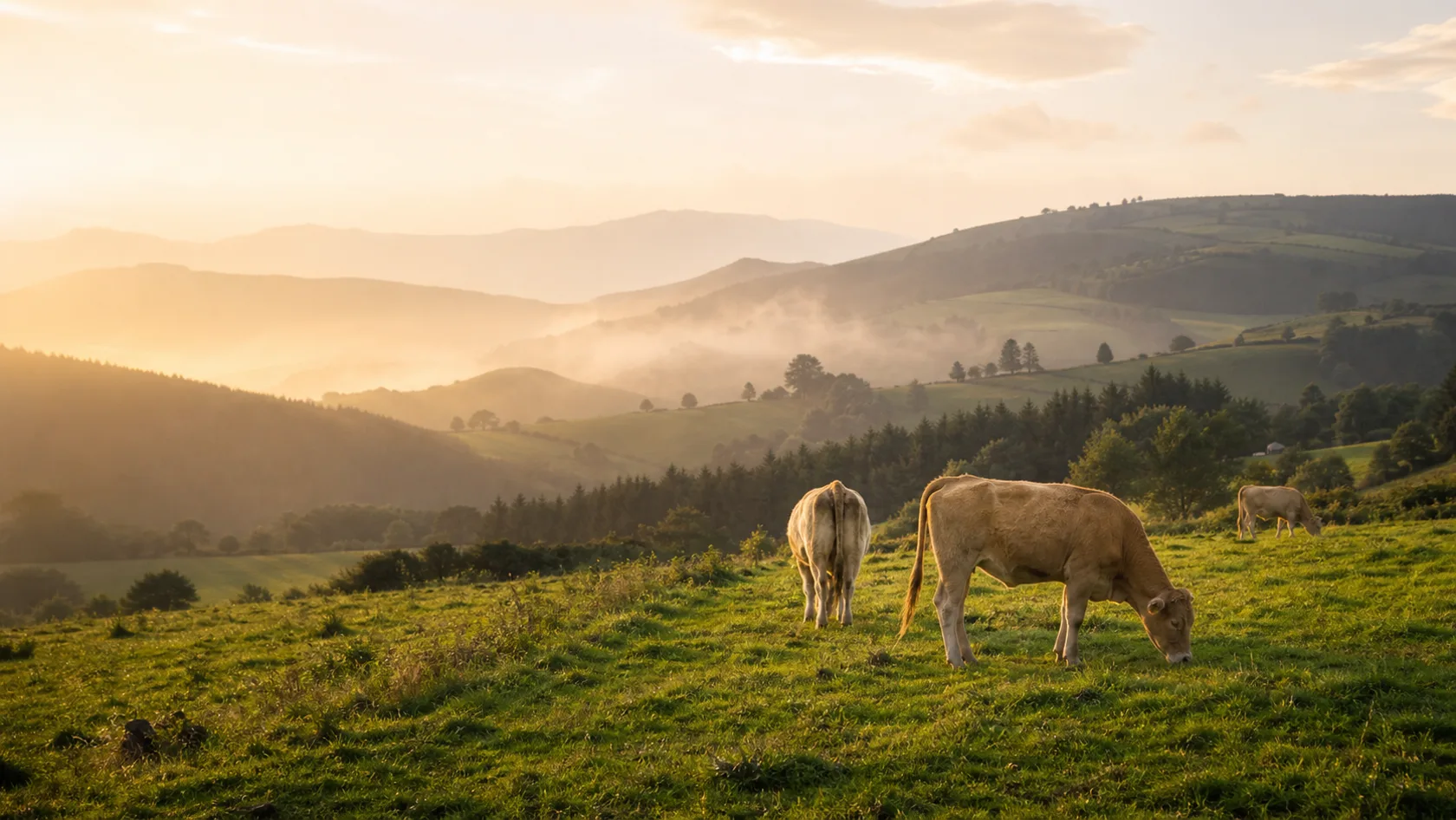
Galician beef and Rubia Gallega
Both have considerable cultural and culinary importance; always check origin, type of animal, cut, weight and ageing.
Wagyu
Associated with extensive marbling and a distinctive texture. It may not suit someone seeking a more traditional, intensely beefy profile.
Black Angus
Often associated with consistency, marbling and good performance on the grill.
Mature cow beef and ox
Mature cow beef is often chosen for intensity. Genuine ox beef is a very specific product.
How to compare without being swayed by commercial names
Do not ask only about the breed. Also ask which cut it is, how much it weighs, how it has been aged, how it is delivered and which cooking method is recommended.
In Spain, descriptions such as vaca and buey have a regulatory basis linked to the animal's sex and age. Buyers should look for clear, current information.